Smart Bouncer Integration: Hands-Free Soothing in Small Spaces
By Sofia Alvarez • 16th Jan
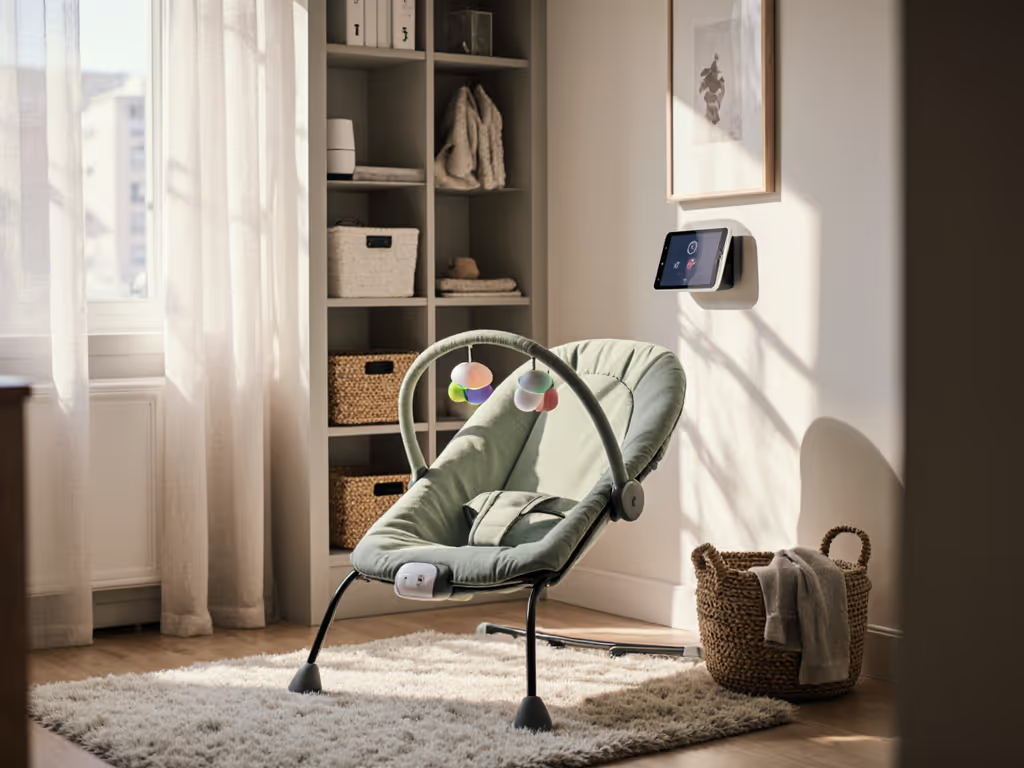
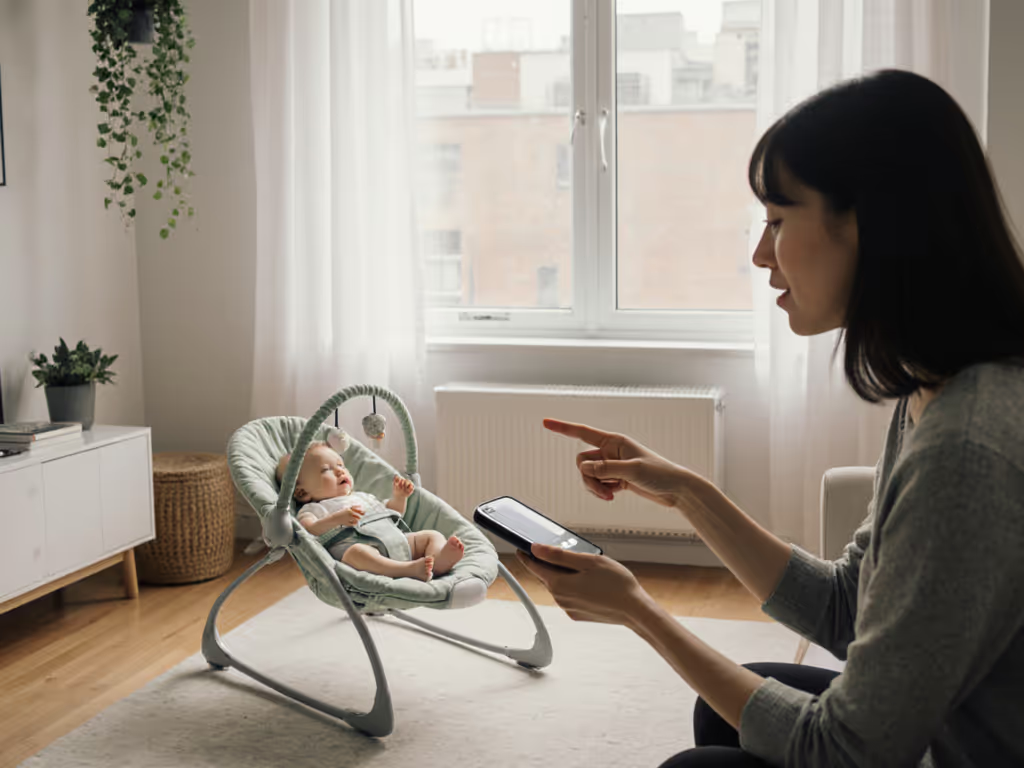
For urban parents wrestling with cramped apartments and thin walls, smart home bouncer integration isn't about flashy tech, it's survival. It's how you reclaim 15 minutes to brew coffee while your baby settles, without tripping over bulky gear or waking your partner during back-to-back Zoom calls. I've helped hundreds of small-space families weave infant activity bouncers into daily rhythms. The secret? Forget complex setups. Focus on quiet, repeatable steps that fit your cramped floor plan and tired brain. Two-song windows beat twenty-feature remotes, every single time.
Why Tiny Spaces Demand Smarter Integration
Living in 700 square feet with a newborn taught me hard truths about "smart" baby gear. Most IoT bouncer setups fail urban parents because they ignore three realities: footprint anxiety (that extra base unit eats precious floor space), noise sensitivity (thin walls amplify even quiet motor hums), and decision fatigue (exhausted parents can't navigate 12-step voice command menus). When you're WFH with a colicky baby, automated soothing systems must feel like background music, not another app to manage.
Gentle imperatives work better than complex commands. Start small: "Hey Google, bounce on low for 15 minutes", not five nested settings.
Your goal isn't tech perfection. It's creating pockets of calm where voice-controlled baby gear serves your rhythm, not the other way around. Think of it as a sensory-aware extension of your existing routines, not a new task.
Building Your Low-Stimulus Integration (3 Steps)
Forget wiring diagrams. True small-space integration uses what you already own: a compatible bouncer, your smart speaker, and your daily micro-rituals. Here's how to set it up in under 10 minutes, without clutter.
Step 1: Prep Your Physical Space (2 Minutes)
Before touching apps, optimize where the bouncer lives:
- Place it near an electrical outlet but away from walls (vibrations transfer sound through drywall). Try doorways, natural traffic flow quiets parental anxiety while keeping baby visible.
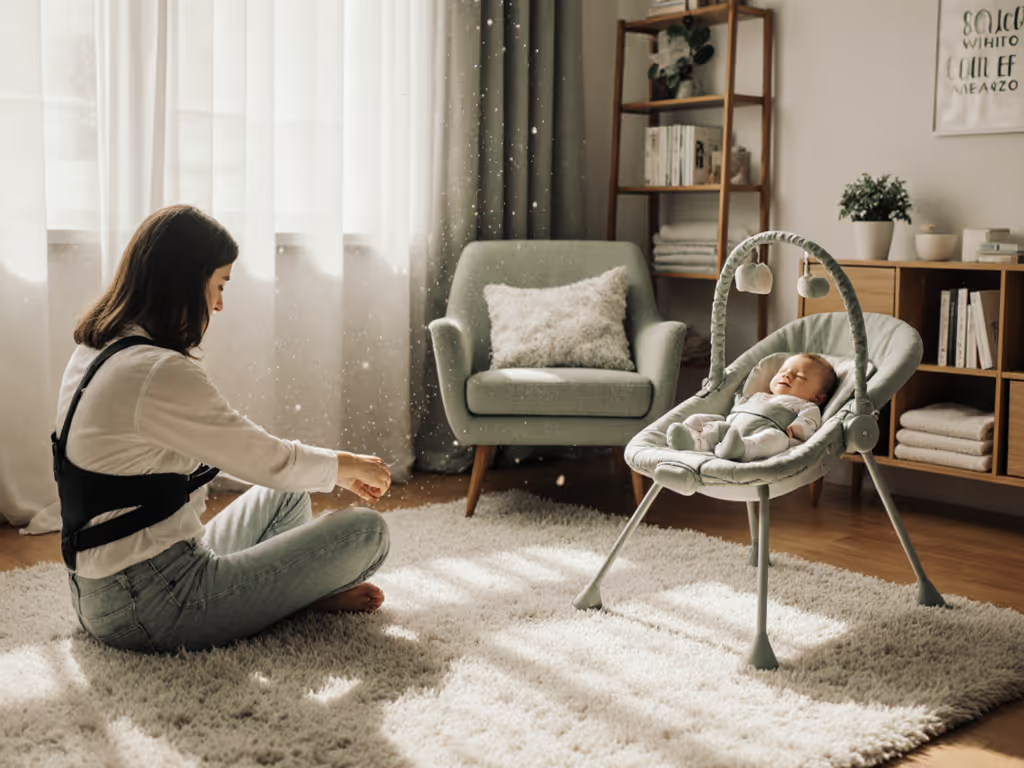
- Use a nonslip mat (like yoga towel scraps) under the base. No more skittering during bounces on hardwood.
- Remove dangling toys. Visual clutter overstimulates babies (and adults!). Store them in a nearby basket. Add one only when you need distraction during feeding.
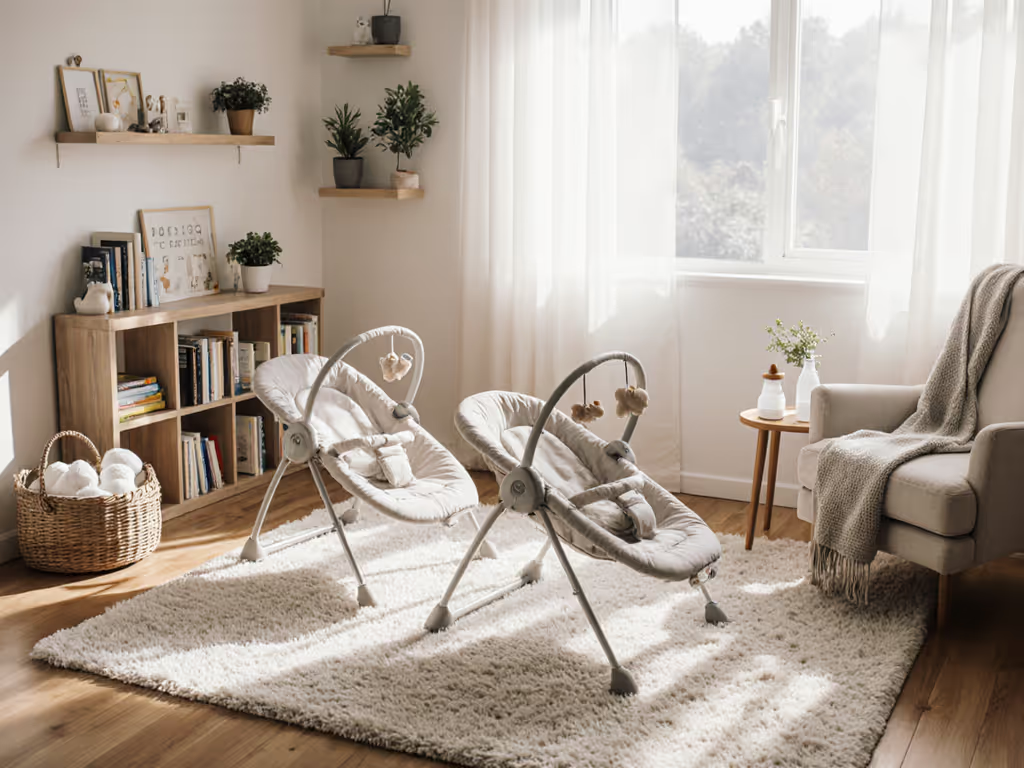
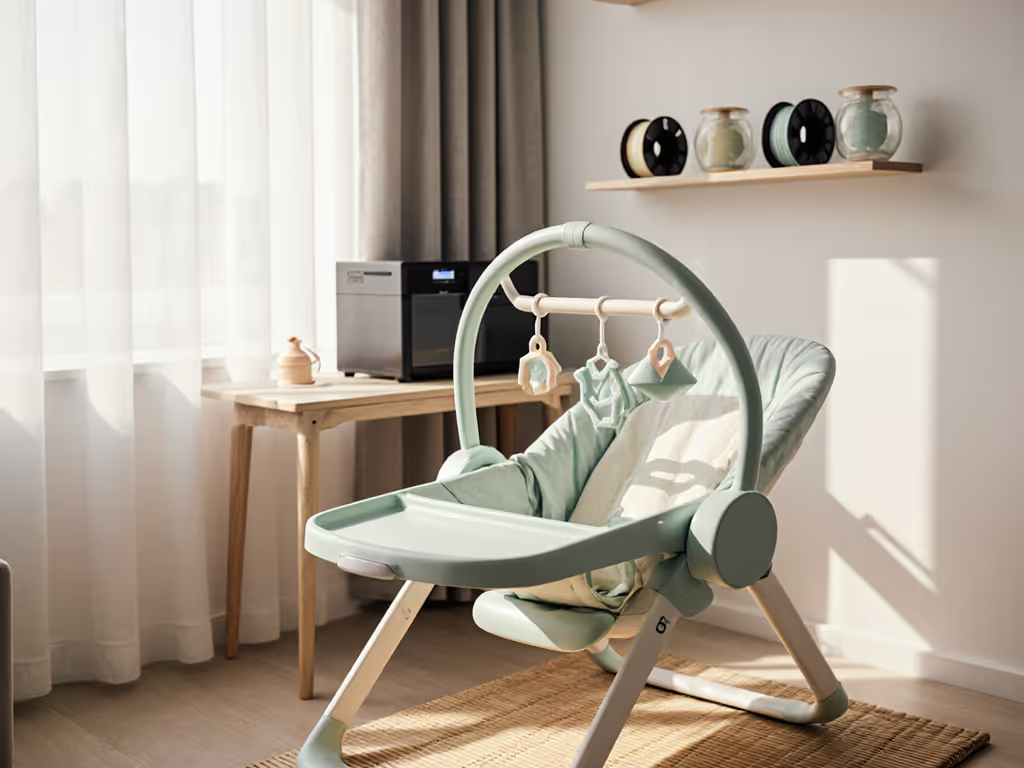
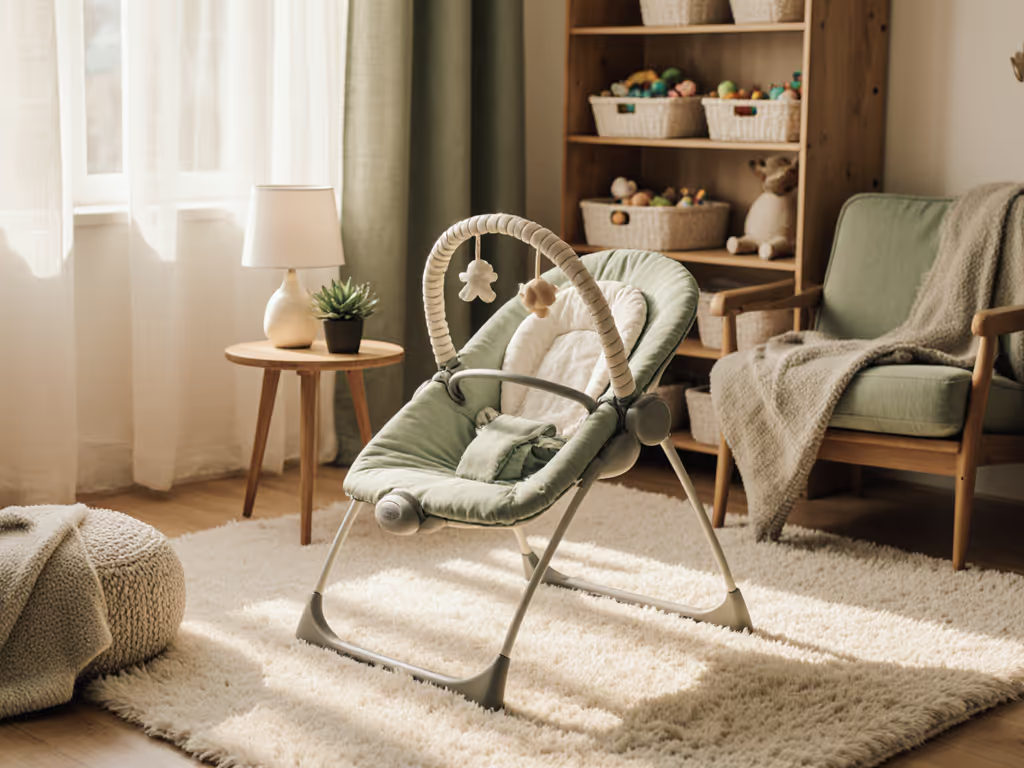
This isn't just setup, it's honoring your space. The Pemberton model's neutral fabric, for example, disappears against beige walls when you skip the rainbow toys. Quiet design blends; loud design battles your sanctuary. For layout ideas and storage tricks, see our space-saving bouncer tips guide.
Step 2: Pair with Your Existing Voice Assistant (5 Minutes)
Skip dedicated apps. Use tools you already trust:
- For Alexa: Say "Alexa, discover devices" after plugging in your IoT bouncer setup. Name it "Nursery Bouncer" (not "Baby Gear #3") so commands feel natural.
- For Google: Open Home app > tap "+" > "Set up device" > "Works with Google". Search "bouncer" and select your brand (e.g., Ingenuity).
- Crucial tweak: Disable lights and sounds in the app settings. You want silent bouncing, not a disco party. Set volume to 0%. Use white noise from your speaker instead if needed. To minimize hum and vibration, compare models in our noise-friendly bouncer sound guide.
Pro tip: Say "Hey Google, set a timer for 15 minutes when bouncing starts". This auto-stops sessions. No frantic app checks while you're showering. Silent operation means you hear baby over the machine.
Step 3: Anchor to a Micro-Routine (3 Minutes)
Integration sticks only when tied to existing habits. Try this:
- During morning coffee prep: "Alexa, start bouncing" as you fill the kettle. The automated soothing system runs while coffee brews.
- At naptime transition: Dim lights before saying the command. That visual shift cues baby it's settling time, no jarring sudden motion.
- When handing off to partner: "Google, pause bouncing" as you pass baby. Makes transitions seamless during WFH calls. If you’re working from home, see our WFH bouncer setup guide for quiet office-friendly picks and placement tips.
This mimics my "two-song window" approach from my colicky baby days. Two songs (about 6 minutes) to place the bouncer, dim lights, and hum while the kettle boils. The ritual was the reset, not the gear.
Why This Works Where Others Fail
Most parents abandon smart bouncer setups because they demand perfection. But small-space survival isn't about flawless automation. It's about reliable, low-stimulus support that lasts 15 minutes, not 2 hours. Here's what actually matters:
- Silent base functions (no app notifications, no status lights) keep mental load low
- Single-command activation works when your hands are full of spit-up laundry
- Predictable duration (15-20 mins max) aligns with infant attention spans
Your bouncer isn't a babysitter. It's a breathing room generator, designed for repeatable steps and low-stimulus tools.
Forget "smart" features that add complexity. If you're building healthy sleep habits, learn how to integrate bouncers into gentle sleep training without creating unsafe associations. Prioritize setups giving you one uninterrupted task: answering an email, eating cold pizza, or just sitting quietly. That's the calm your nervous system craves.
Your Actionable Next Step
Tonight, try just one micro-integration:
- Plug in your bouncer near your evening wind-down spot (kitchen counter, living room corner)
- Practice the voice command twice while baby's awake ("Alexa, bounce on low for 10 minutes")
- Next quiet moment, activate it while you do one small self-care act (apply hand cream, sip water)
Notice how it feels. Did the silent bounce buy you three mindful breaths? Did you hear baby fuss before the motor hum? That's the win. Not hours of sleep, reclaimed fragments of calm.
Two-song windows build resilience. They're not about perfection. They're about proving to your tired brain: "I can catch my breath here too." Start small. Breathe. Repeat.
Sofia Alvarez helps urban parents design tiny, repeatable rituals for cramped homes. Her free guide "20-Minute Reset Routines for Exhausted Caregivers" includes footprint measurements for common bouncers, no email required. Because calm shouldn't cost storage space or sleepless nights.