Sensory-Supportive Infant Bouncer Guide for Neurodiverse Babies
By Priya Menon • 29th May
Introduction: A calmer way to use a bouncer in a sensory world
Choosing a bouncer infant setup when your baby has (or may develop) sensory differences can feel overwhelming: you want a few calm, safe minutes, not flashing lights and loud motors.
For many families, a simple, stable bouncer becomes a helpful tool for sensory modulation and short hands-free breaks (when you use it thoughtfully).
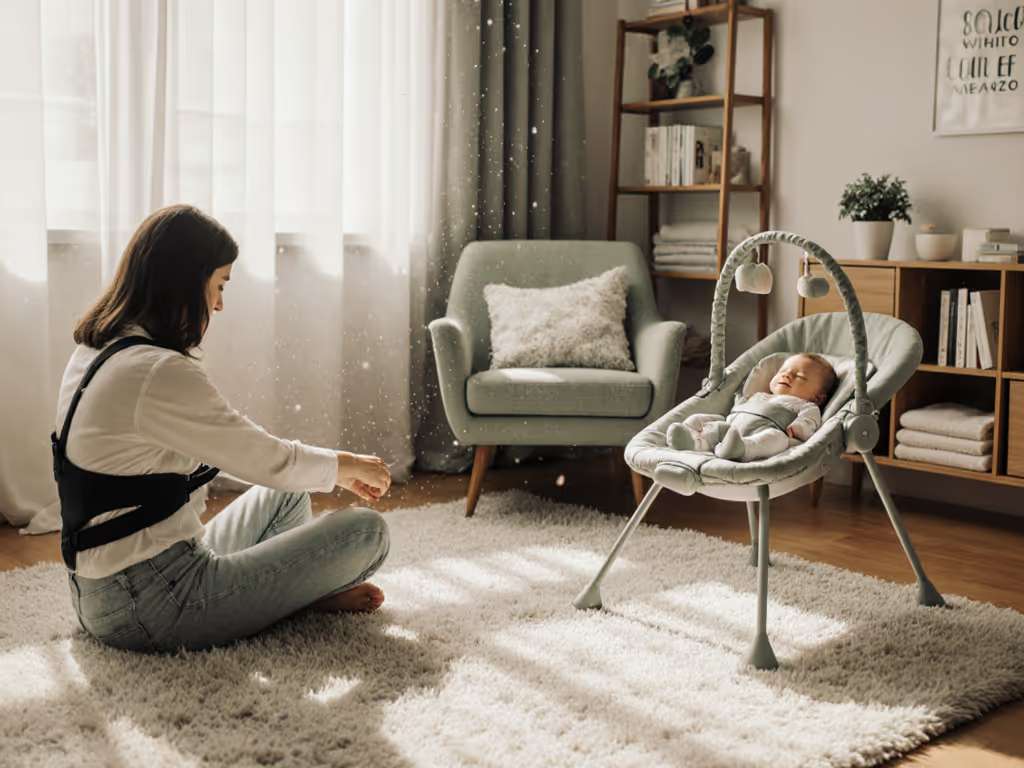
This guide is written for tired, detail-oriented caregivers in small homes who want sensory-supportive bouncer techniques that respect neurodiversity, safety guidance, and your own sensory limits.
I'll walk through the most common questions I hear as a parent educator and help you turn the bouncer into part of a predictable routine instead of yet another piece of clutter.
The goal is not more gear; it's a few short, supervised stints that feel safe for you and regulating for your baby.
FAQ 1: Is a bouncer safe for my neurodiverse baby?
What's the basic safety picture for any bouncer?
Most standard guidance for bouncers applies to all babies, including neurodiverse babies:
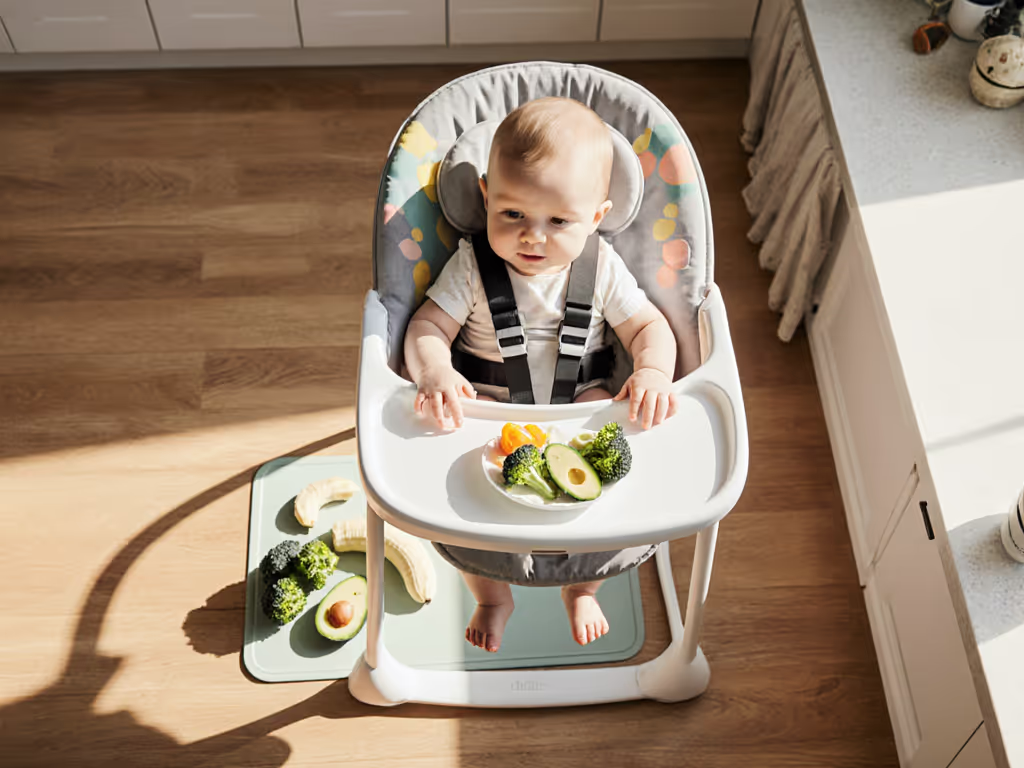
- No sleep in the bouncer. Bouncers are not designed as safe sleep surfaces; babies should not sleep or feed in a bouncer due to increased SIDS risk and airway positioning concerns.
- Use from newborn with proper recline. Many bouncers are marketed from birth as long as they offer a well-reclined seat and harness.
Always follow the manufacturer's age and weight guidelines. - Watch weight and milestones. A common recommendation is to stop using a bouncer once your baby reaches the product's listed weight limit (often around 20 pounds, though some go higher) or can sit up unassisted.
- Always harness, always floor. Buckle the harness every time, place the bouncer on the floor (never on beds, sofas, counters, or tables), and keep it away from stairs and cords.
For neurodiverse babies, these safety basics stay the same.
What changes is how carefully we shape the environment and routine around the bouncer. For a deeper overview of core safety do's and don'ts, see our complete bouncer safety guide.
How long can my baby stay in a bouncer at once?
There is no universal "magic number" of minutes, but many pediatric and therapy teams suggest thinking in short, supervised stints, especially for infants with sensory differences or muscle tone concerns.
A practical approach:
- Start with 5-10 minutes, 1-3 times per day.
- Use a timer (phone, oven, wearable) so you're not guessing.
- End the session earlier if you see stress signals (described below) or your baby gets drowsy.
- Move your baby to a flat, firm sleep surface if they start to fall asleep in the bouncer.
This timer-based rhythm is gentle on developing bodies, works well with short attention spans, and keeps safety front and center. For step-by-step, clinician-backed timing and positioning, see our therapist-approved bouncer protocols.
What stress or sensory overload signs should I watch for?
For babies who may be autistic, have ADHD traits later, or simply have strong sensory preferences, over- or under-stimulation can show up as:
- Turning head away, grimacing, or glassy stare
- Splaying fingers or stiffening the whole body
- Rapid breathing, hiccups, or color changes
- Sudden crying after a few initially calm minutes
- Trying to twist or arch out of the harness
If you see these, pause the bouncing, offer a hand on their chest or gentle containment, and consider adjusting the setup next time (less light, less noise, gentler bounce, shorter session).
If the bouncer stops feeling like a calm "reset" for your baby, it's a cue to shorten sessions or change the sensory mix, not to push through.
FAQ 2: How can a bouncer support sensory regulation?
How does "sensory modulation with bouncer" work?
Many neurodivergent kids and adults find certain types of movement and pressure soothing.
A bouncer can gently tap into three key senses:
- Vestibular (movement): The up-and-down or slightly forward-back motion.
- Proprioceptive (body position/pressure): The feeling of the harness and seat supporting the body.
- Tactile (touch): The textures of fabric and any attached soft elements.
When used gently, this combination can help some babies organize their nervous system and shift from high alert to a more regulated state.
What are sensory-supportive bouncer techniques I can try?
Every baby's nervous system is different, but these patterns are often helpful:
- Slow, rhythmic bounce. Aim for smooth, predictable motion - think "rocking in a chair," not "jiggling."
- Consistent tempo. Count softly in your head (e.g., to 4) as you press down and release.
Predictability is soothing for many neurodivergent nervous systems. - Minimal add-ons. Skip built-in music, flashing lights, or dangling toys for newborns and for babies who startle easily.
You can always add a single simple, high-contrast card or a soft cloth later. - Supportive containment. Adjust the harness so it's snug (two fingers under the strap) without cutting in.
This "hug" can be regulating for babies who like deeper pressure. - Watch and tweak. Some babies prefer almost no movement and just like the semi-upright, snug position.
Others need a little bounce to settle.
Take notes on what seems to help.
For parents with their own sensory sensitivities, it's equally valid to choose manual-only, silent bouncers so you're not trading your regulation for theirs. If you're shopping, our sensory-friendly bouncer picks highlight quiet motion, gentle fabrics, and low-clutter design.
FAQ 3: What makes seating "neurodiversity-friendly" for infants?
What features matter most in neurodiversity-friendly infant seating?
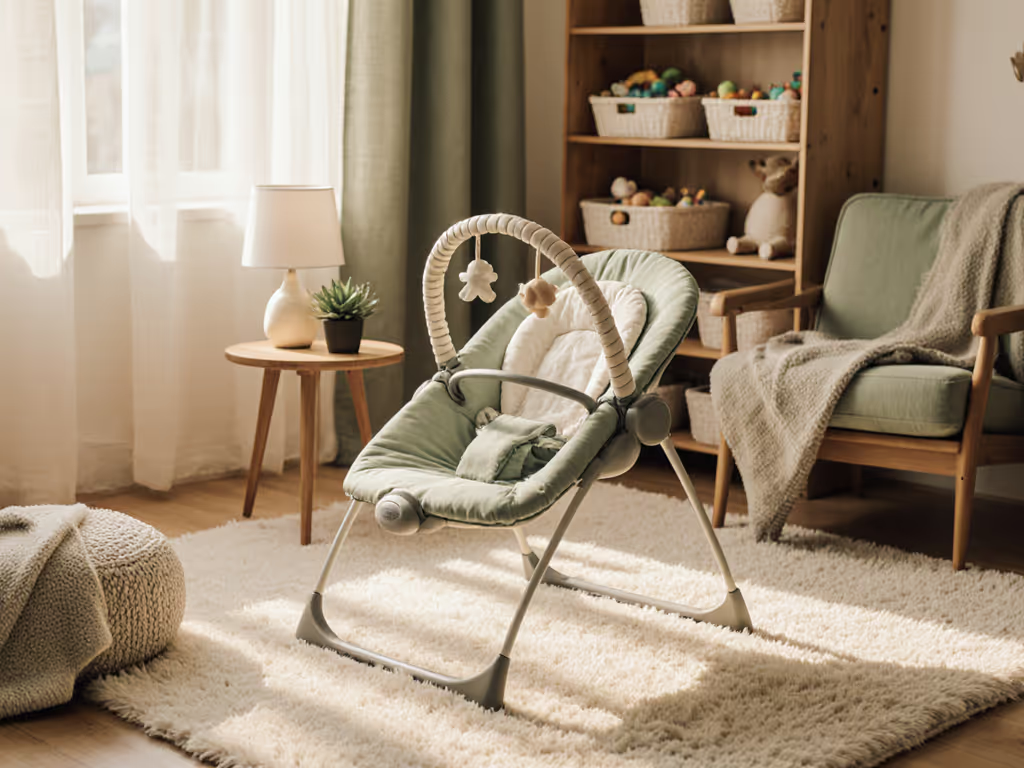
When I talk about neurodiversity-friendly infant seating, I'm looking for features that protect safety, honor sensory needs, and respect small spaces:
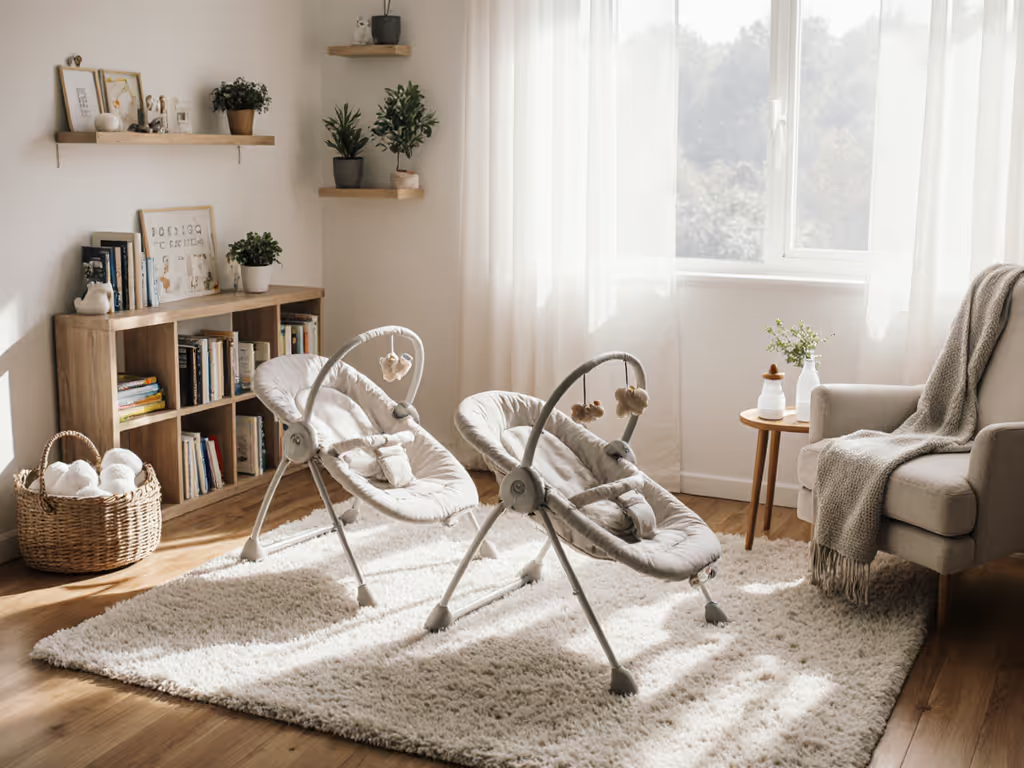
- Low, wide base. A stable, low-profile frame with non-slip feet is crucial to reduce tipping risk.
- Manual or very quiet motion. Many families of neurodivergent kids prefer to avoid motors entirely, or at least choose very quiet ones, to lower noise load.
- Breathable seat. Mesh or breathable panels help with temperature regulation and reduce sweat and odor.
- Simple harness. A secure 3-point or 5-point harness that's easy to buckle correctly every time.
No aftermarket strap covers or modifications. - Neutral, low-contrast fabric. Calmer colors reduce visual clutter for both baby and adults.
- Easy-off, washable cover. You want a cover that removes quickly and machine-washes and dries fast.
Life with reflux, blowouts, and milk leaks demands it.
Safety certifications and recall-free history matter, but what you do daily matters even more.
Safety lives in routines, not marketing claims or modes.
What about recline and head support for my baby?
For younger or low-tone babies:
- Choose a well-reclined position where the head doesn't flop forward.
- If the bouncer allows multiple angles, use the most reclined for newborns, then gradually adjust as neck control improves.
- Use only inserts provided or endorsed by the manufacturer; avoid aftermarket pillows or wedges.
Once your baby can sit up unassisted or starts trying to lunge forward, it's time to retire the bouncer, even if they haven't hit the weight limit yet. For milestone-specific guidance when rolling begins, read our rolling transition safety guide.
FAQ 4: How do I build a safe, soothing bouncer routine?
What could a "good" bouncer session look like?
Here's one example many families find workable:
- Set up the environment.
Soft room light, no TV on, phone on silent, floor cleared around the bouncer. - Quick safety check.
Frame stable, fabric fully attached, harness intact, no loose hardware, placed on the floor away from cords and pets. - Place and strap baby.
Lay baby gently, center their hips, buckle and snug the harness. - Start the timer for 10 minutes.
This keeps the session short and intentional. - Choose one calming input.
- Your gentle voice or humming
- A slow, rhythmic bounce
- Or simply stillness in the bouncer while you stay nearby
- Observe.
Watch face, breathing, and body.
Adjust if they seem overstimulated or bored. - End on purpose.
When the timer ends (or sooner if they're fussy or sleepy), pick them up for a change of position.
If they're dozy, transition them to a flat, firm sleep surface.
I once sat with a group of new parents and we literally timed this routine together.
Most were surprised at how much calmer it felt to plan a 10-minute stint than to scroll through their phones and suddenly realize 40 minutes had passed.
What if the bouncer is the only place my baby seems calm?
This is a common and tender worry.
A few thoughts:
- It's okay to use what works, as long as you stay within safety limits and keep sessions short.
- Add other regulating experiences (contact naps, babywearing, side-lying on your chest, stroller walks) so the bouncer isn't the only tool.
- Talk with your pediatrician or an occupational therapist if your baby seems only able to settle in equipment.
Sometimes this points to reflux, tone differences, or sensory processing needs that deserve a closer look.
The bouncer is best as a bridge to calm, not your baby's primary seat or sleep space.
FAQ 5: How do we make this work in a small, shared home?
How do I keep the bouncer from taking over the room?
Space-conscious, sensory-conscious setup tips:
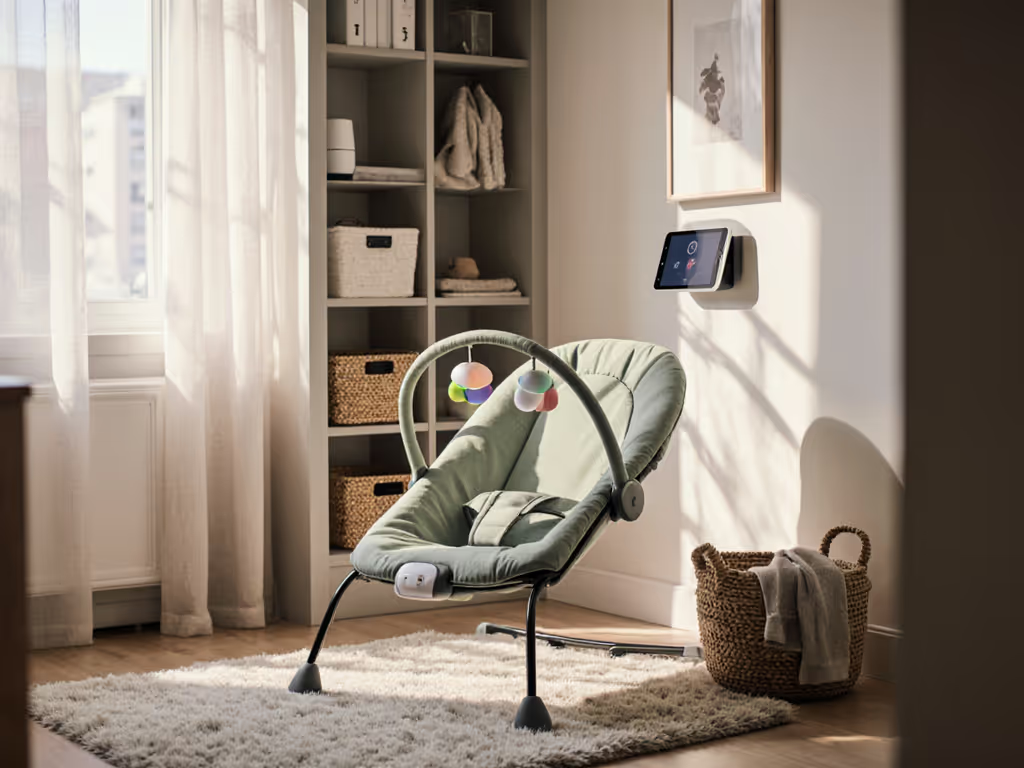
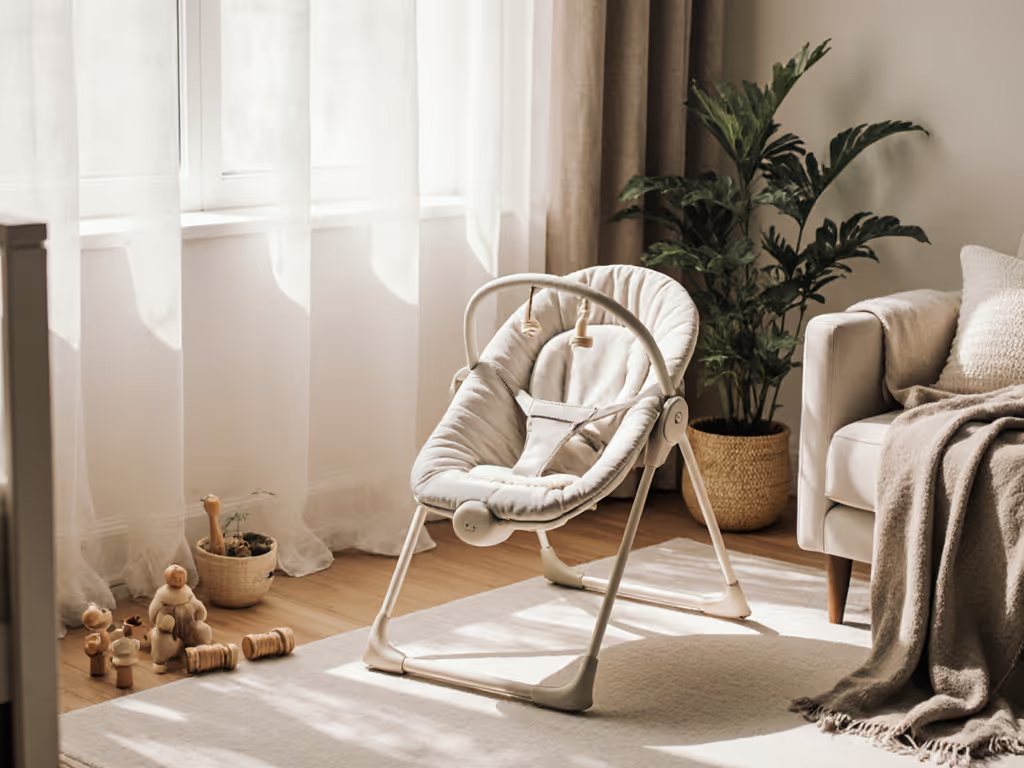
- Pick one "parking spot." Choose a single, safe floor area where the bouncer lives when in use.
No wandering from bed to sofa to counter. - Fold or stand it up vertically when not in use. Sliding it under a sofa or behind a door reduces visual clutter and trip hazards.
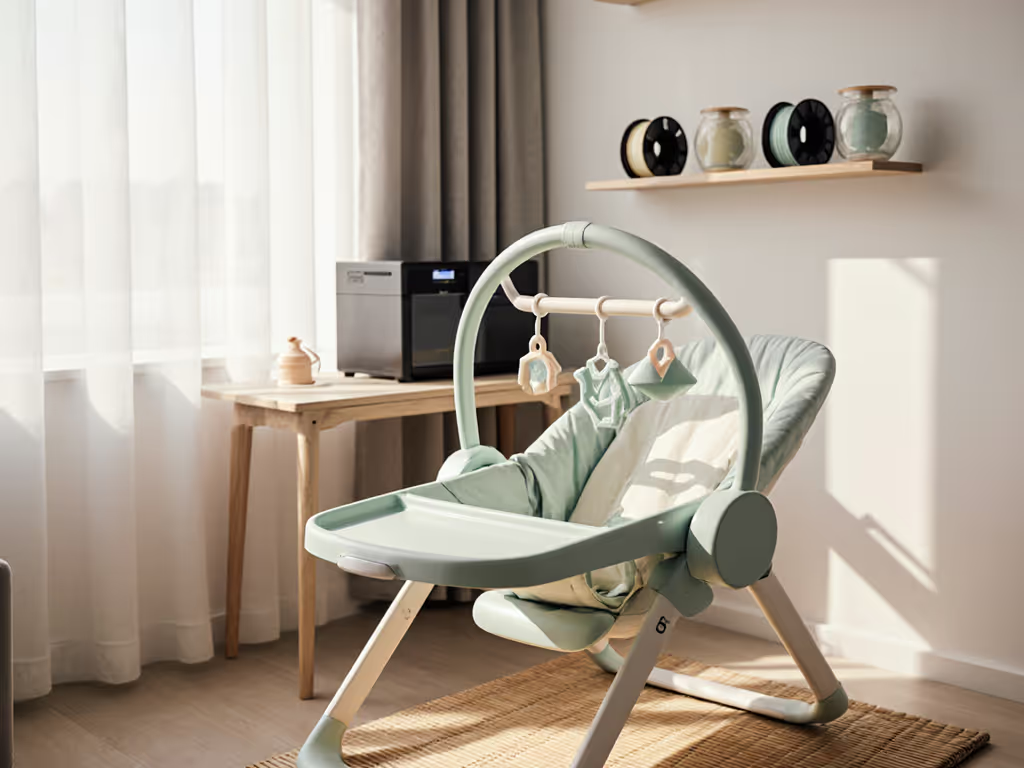
- Keep accessories minimal. Skip bulky toy bars and busy patterns.
Your living room stays adult, your baby gets a low-distraction space.
How loud is too loud for shared walls or work calls?
If a bouncer has any mechanical parts, test:
- Run it during a quiet moment and step into the next room.
- Check whether the sound competes with conversation or feels like "background hum."
Many families (especially with their own sensory sensitivities) choose fully manual bouncers for whisper-quiet use during naps, calls, or in studio apartments.
FAQ 6: Is it okay to buy or accept a used bouncer?
Used gear can be a smart, sustainable choice with a few careful checks: Follow our used bouncer safety checklist to inspect models step by step before bringing them home.
- Recall status. Look up the exact model on your country's consumer safety site.
If it has been recalled, skip it. - Frame integrity. No cracks, bent bars, or wobbly joints.
If it doesn't sit flat and stable, it's a no. - Harness and buckles. All straps present, not frayed; buckles click securely and release without sticking.
- Attachment points. Fabric loops, snaps, or clips that secure the seat to the frame must be intact.
No improvising with strings or tape. - Replaceable fabrics. Ideally, you can buy a fresh, manufacturer-made cover if the original is worn or stained.
Even with a used bouncer, the daily rules are the same: floor-only, harness on, short, supervised stints, and no sleeping in the seat.
Actionable Next Step: Build your 10-minute bouncer plan
To turn all of this into something you can use tomorrow, pick one simple routine:
- Measure your space. Identify the one safe floor zone where the bouncer will live.
- Define your session length. Choose a default of 5, 8, or 10 minutes and set a timer every time.
- Choose one sensory setting for now. For example, "dim light + no toys + slow bounce while I hum," or "daylight + no bounce, just nearby talking."
- Write your safety checks on a sticky note. "Floor only, harness snug, no sleep in bouncer." Place it where you store the seat.
- Plan two alternate soothing options. Maybe babywearing and a contact nap, so the bouncer is one tool among several.
As you test this routine, notice how both you and your baby feel before, during, and after each session.
Adjust the sensory mix, timing, and environment until the bouncer becomes what it's meant to be: a small, stable helper that supports your baby's unique nervous system, and your own, without taking over your home or your day.