What Is an Infant Swing? Complete Parent Guide
By Maya Iqbal • 2nd Nov
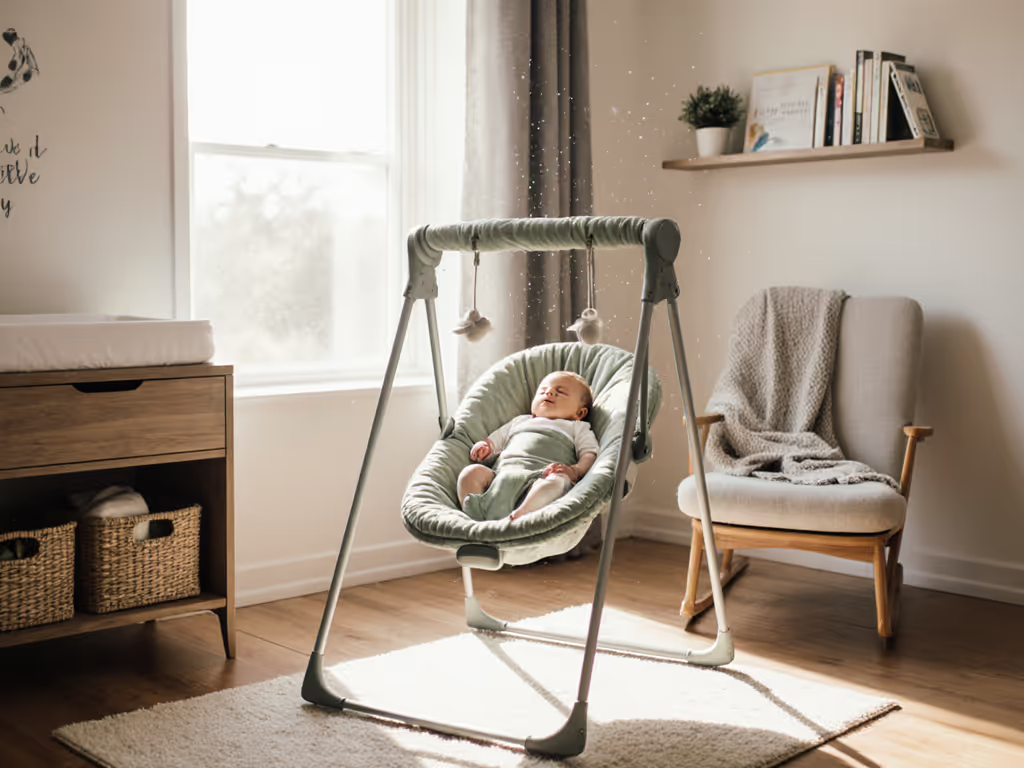
Did you know that the U.S. Consumer Product Safety Commission updated infant swing regulations after receiving over 350 complaints and reports of injuries? Infant swings are a staple in many homes, yet confusion and myths about their safety and intended use still linger. Learning the real facts can help parents make smarter choices for their baby’s comfort, wellbeing, and development.
Key Takeaways
| Point | Details |
|---|---|
| Infant swings serve multiple functions | They provide comfort, soothing, and entertainment but should be used judiciously to avoid overreliance. |
| Safety is paramount | Always use the five-point harness and ensure swings are on flat surfaces while maintaining constant supervision during use. |
| Understand the types of swings | Choose between traditional and portable swings based on space, mobility needs, and desired features. |
| Consider alternatives | Incorporate various soothing methods, such as rocking chairs and manual techniques, to support infant development and comfort. |
Infant Swings Defined and Common Misconceptions
An infant swing is a mechanical device designed to provide comfort, entertainment, and potential soothing for babies during their early developmental stages. Typically featuring a supportive seat suspended within a frame, these ingenious tools use gentle rocking or swinging motions to help calm and engage infants. Modern infant swings are far more sophisticated than their traditional counterparts, often incorporating advanced features like music, vibration settings, adjustable speeds, and interactive mobile attachments.
Contrary to popular belief, infant swings are not simply passive entertainment devices. They serve multiple functional purposes in a baby's daily routine. Safety standards play a crucial role in their design, with recent updates from the U.S. Consumer Product Safety Commission (CPSC) highlighting the importance of rigorous manufacturing guidelines. In 2013, after receiving over 350 complaints involving 24 injuries and two fatalities, the CPSC implemented stricter regulations to ensure infant swing safety.
Common misconceptions about infant swings can lead parents to misuse or misunderstand these valuable tools. Here are some key points to remember:
- Infant swings are not permanent sleeping spaces
- They should complement, not replace, a proper crib or bassinet
- Supervised use is critical for infant safety
- Extended periods in a swing can potentially impact an infant's physical development
The evolution of infant swings reflects ongoing technological and safety advancements. From simple mechanical designs to smart, feature-rich models, these devices continue to provide parents with a practical solution for keeping babies comfortable and engaged. Understanding their proper use, limitations, and potential benefits can help caregivers make informed decisions about incorporating an infant swing into their child-rearing toolkit.

Types of Infant Swings and Key Differences
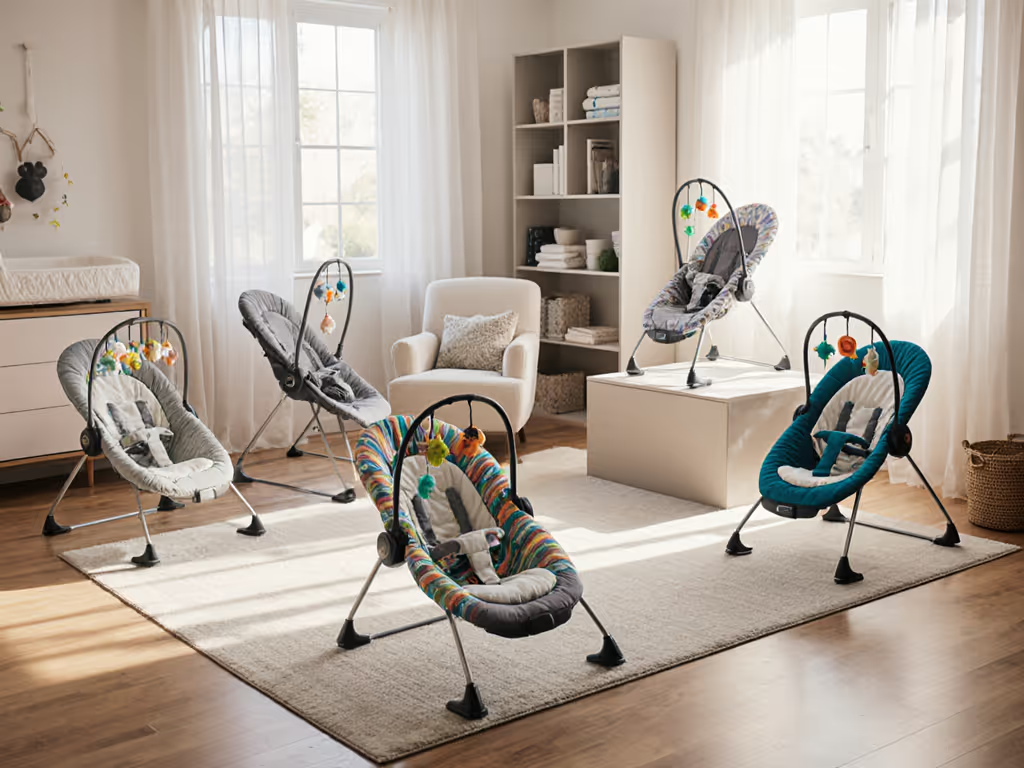
Infant swings come in several distinct categories, each designed to meet different parental needs and living environments. The two primary types are traditional home swings and portable swings, which offer unique features and benefits for caregivers. Understanding the nuanced differences between these swing types can help parents make informed decisions about which model best suits their lifestyle and infant's requirements.
Here's a comparison of traditional home swings and portable swings:
| Feature | Traditional Home Swing | Portable Swing |
|---|---|---|
| Size & Weight | Large, heavier | Lightweight, compact |
| Power Source | AC adapter or batteries | Batteries or rechargeable |
| Comfort Settings | Multiple speeds & recline options | Fewer speed settings |
| Extra Features | Music, nature sounds, mobile toys | Basic or minimal |
| Foldability | Generally not foldable | Foldable for storage/travel |
| Ideal Use | Dedicated nursery or home space | Travel, small apartments |
| Stability | Very stable, robust frame | Stable but lighter frame |
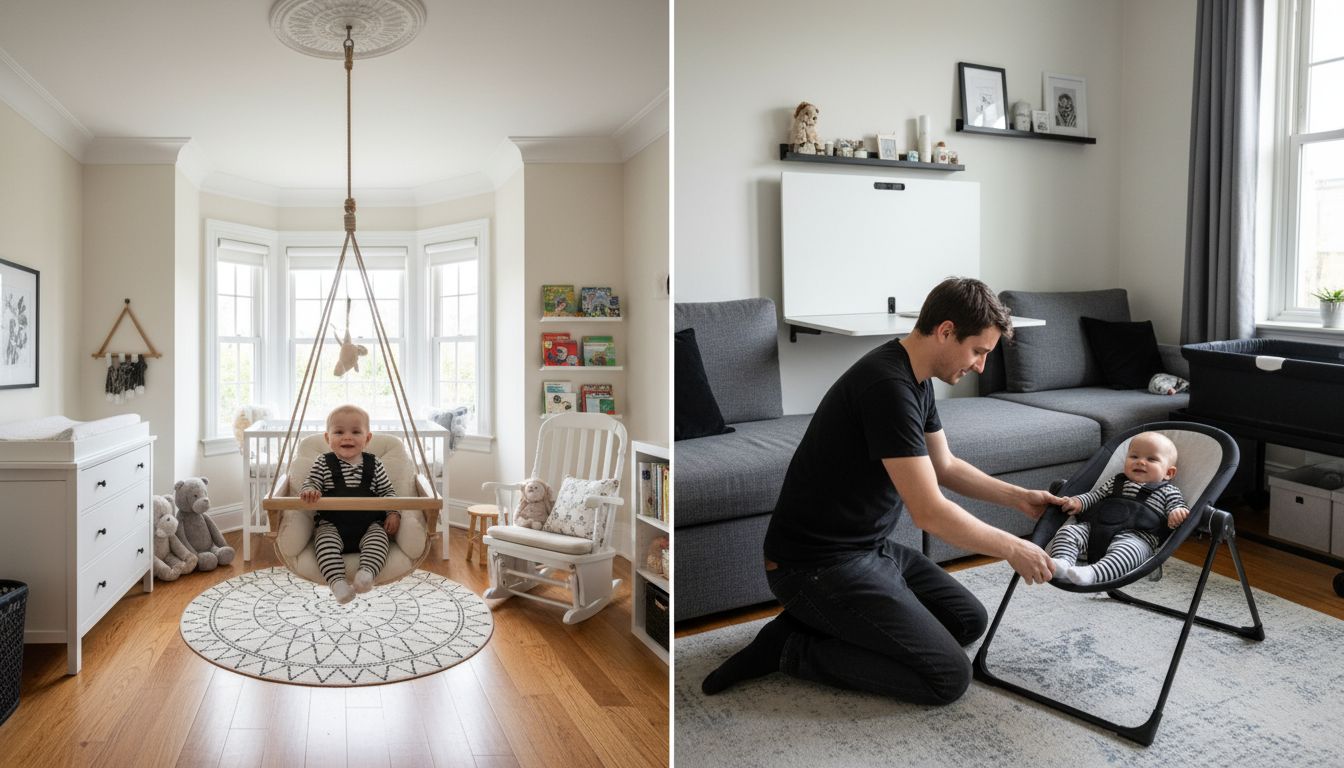
Traditional home swings represent the classic approach to infant comfort. These larger, stationary units are engineered for comprehensive home use, typically featuring robust frames and multiple comfort settings. Powered by AC adapters or batteries, they often include advanced features like built-in music, nature sounds, multiple swing speed options, and comprehensive harness systems. Their design prioritizes stability and extended use, making them ideal for families with dedicated nursery spaces or consistent home environments.
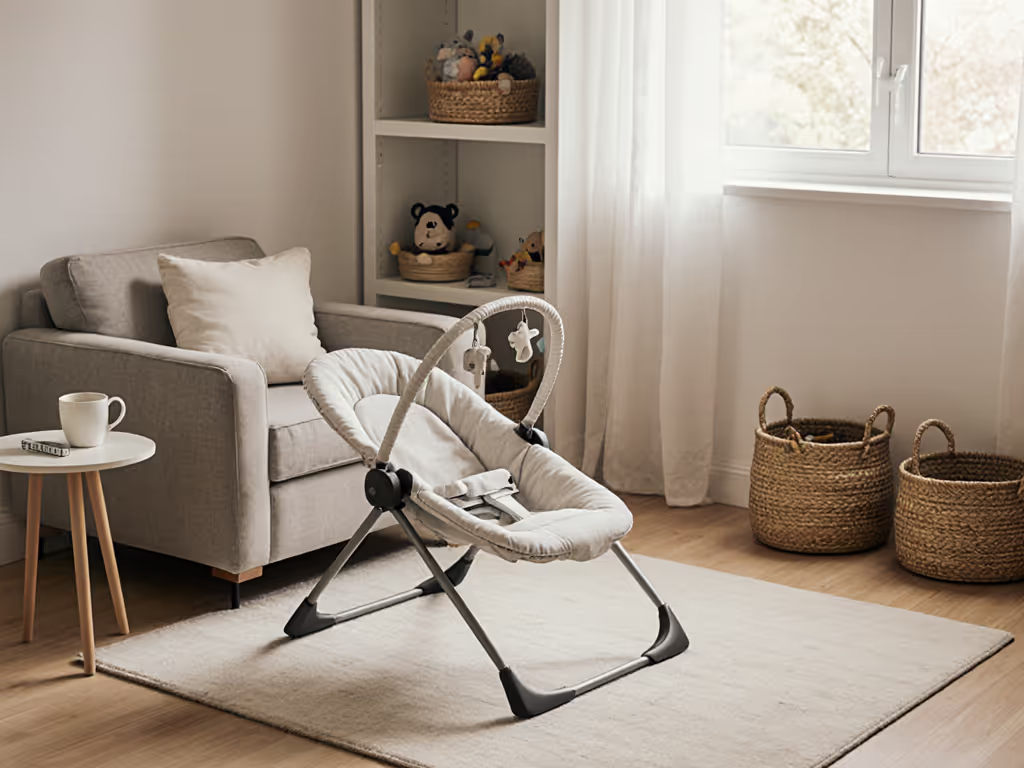
Portable swings offer a dramatically different approach, focusing on convenience and mobility.
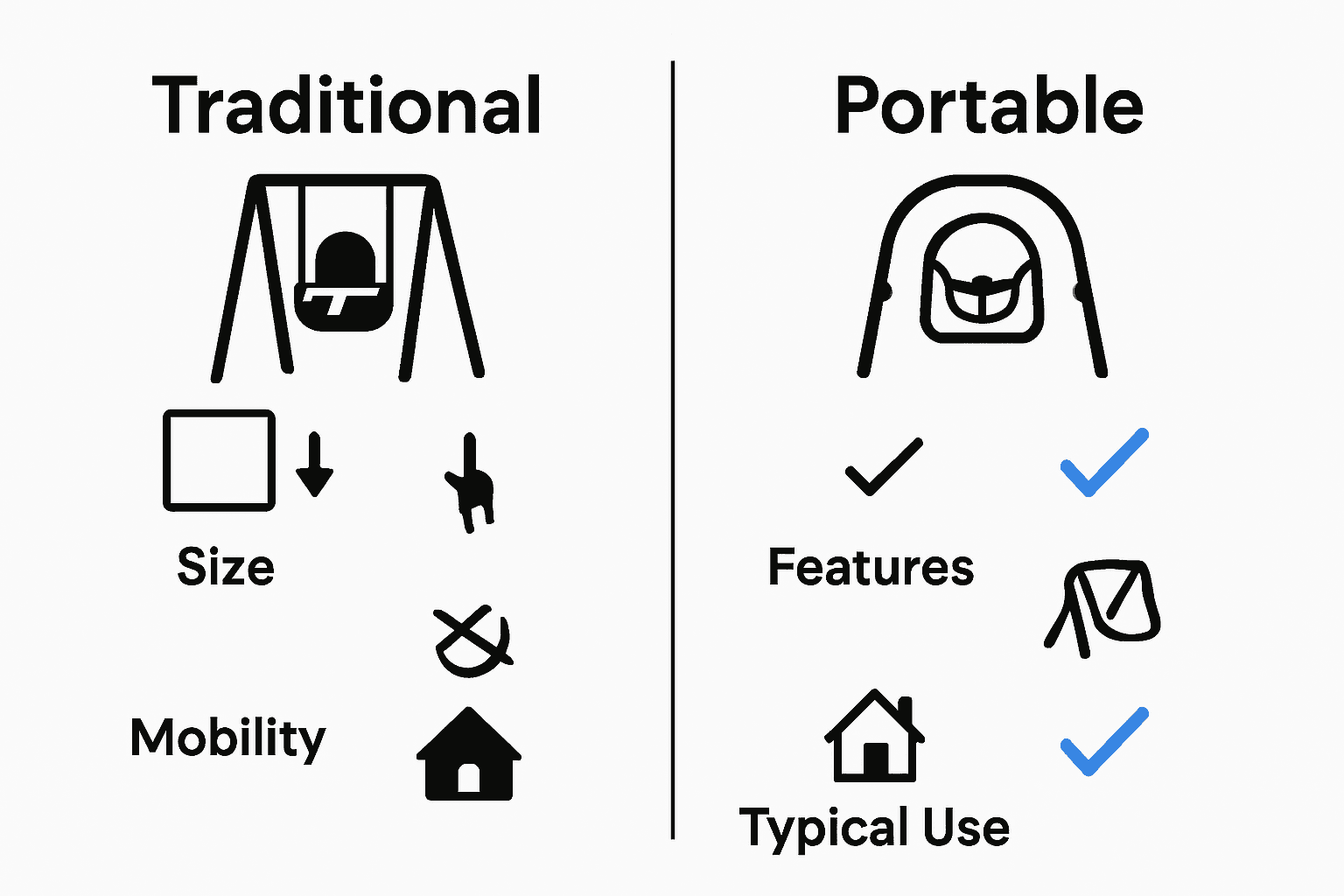 Characterized by their lightweight construction and compact design, these swings are perfect for families with limited space or frequent travelers. Key characteristics include:
- Lighter weight compared to traditional models
- Foldable mechanisms for easy storage
- Battery or rechargeable power sources
- Simplified design with fewer speed settings
- Compact footprint suitable for smaller living spaces
Beyond these primary categories, modern infant swings increasingly incorporate smart technology and ergonomic designs. Some advanced models now feature Bluetooth connectivity, smartphone app controls, and customizable motion patterns. The evolution of infant swing technology continues to prioritize both infant comfort and parental convenience, reflecting the dynamic needs of contemporary families. When selecting an infant swing, parents should carefully consider factors like available space, lifestyle mobility, desired features, and their specific infant's preferences.
How Infant Swings Work and Main Features
Infant swings operate through a sophisticated combination of mechanical design and ergonomic engineering, creating a safe and soothing environment for babies. At their core, these devices utilize powered motion mechanisms that generate gentle, rhythmic swinging or rocking movements designed to mimic the natural comfort infants experience when held or carried. Powered by either battery or electrical sources, the swing's motor controls precise back-and-forth or side-to-side motions that help calm and potentially lull babies to sleep.
Safety features are paramount in infant swing design. Most modern swings incorporate advanced restraint systems, typically a five-point harness that secures the baby at multiple critical points: both shoulders, the waist, and between the legs. This comprehensive approach ensures the infant remains stable and protected during movement. Additionally, adjustable reclining seats are a crucial feature, allowing caregivers to modify the seat position based on the baby's age and developmental stage. Newborns require nearly flat positions to maintain open airways, while older infants who can sit independently might prefer more upright configurations.
Key features of contemporary infant swings extend far beyond basic motion and safety mechanisms:
- Multiple speed settings for customized comfort
- Built-in music and nature sound options
- Vibration modes to further soothe infants
- Removable, washable seat covers
- Integrated mobile or toy attachments
- Timer functions to automatically stop swinging
- Compact, foldable designs for storage and travel
The technological sophistication of infant swings continues to evolve, reflecting an understanding of infant developmental needs and parental convenience. Modern designs integrate smart technologies like Bluetooth connectivity, allowing parents to control swing settings remotely or track usage patterns. However, despite these advanced features, the fundamental purpose remains consistent: providing a safe, comfortable, and soothing environment that supports infant relaxation and potential sleep assistance.
Essential Safety Considerations for Infant Swings
Safety is the paramount concern when using infant swings, with regulatory standards evolving continuously to protect the most vulnerable users. The U.S. Consumer Product Safety Commission (CPSC) has been instrumental in establishing rigorous guidelines, particularly after investigating over 350 swing-related complaints that revealed 24 injuries and two tragic fatalities. These findings prompted comprehensive updates to safety standards in 2013, requiring manufacturers to design swings with enhanced stability, secure seating, and clear warning labels to mitigate potential risks.
The American Academy of Pediatrics provides detailed recommendations for safe infant swing usage that go beyond basic manufacturing standards. Critical guidelines include strict adherence to manufacturer weight limits, positioning considerations based on infant age, and proper restraint techniques. For babies younger than 4 months, swings must be positioned at their flattest angle to maintain proper airway alignment. As babies grow and develop head and neck control, positioning can be gradually adjusted, but constant supervision remains essential.
Key safety considerations for infant swing usage include:
- Always use the provided five-point harness system
- Place swing only on flat, stable surfaces
- Never use swings on elevated surfaces like beds or sofas
- Avoid prolonged swing sessions
- Regularly inspect swing for structural integrity
- Keep mobile attachments securely fastened
- Monitor baby's position and comfort
- Discontinue use if any structural damage is detected
Beyond physical safety mechanisms, parental awareness and vigilant supervision are the most critical protective factors. While modern infant swings incorporate advanced safety features, they are not substitutes for direct adult supervision. Parents should remain attentive, periodically check on their infant, and understand that swings are designed for short-term comfort and entertainment, not extended unmonitored use. Regular equipment maintenance, staying updated on product recalls, and trusting your parental instincts will help ensure a safe and positive infant swing experience.
Benefits, Drawbacks, and Alternatives Compared
Infant swings represent a nuanced childcare solution with distinct advantages and potential limitations that parents must carefully evaluate. These devices offer significant benefits, including hands-free infant soothing, controlled motion that mimics parental movement, and a contained environment that can help calm fussy babies. For sleep-deprived parents, swings provide a momentary respite, allowing brief periods of multitasking while keeping their infant safely secured and potentially relaxed.
However, infant swings are not without considerable drawbacks. Overreliance on these devices can potentially impact infant physical development and sleep patterns. Prolonged swing use may discourage natural movement development, potentially delaying motor skill progression. Additionally, some infants might become overly dependent on mechanical motion for comfort, creating challenges when transitioning to stationary sleeping environments. Professional pediatric guidance consistently emphasizes that swings should complement, not replace, traditional caregiving and interaction methods.
Alternative infant soothing options include:
- Rocker chairs with gentler motion
- Traditional baby carriers promoting physical bonding
- Stationary playpens with interactive features
- Manual rocking techniques
- White noise machines
- Gentle massage methods
- Swaddle wraps for comfort
Ultimately, the most effective approach involves a balanced strategy that incorporates multiple soothing techniques. While infant swings offer valuable support, they should be viewed as one tool within a comprehensive infant care toolkit. Parents should remain flexible, observant of their infant's unique preferences, and willing to adapt their approach. Understanding individual infant needs, maintaining supervised use, and avoiding over-dependence are key to successfully integrating infant swings into a healthy childcare routine.
Find the Perfect Infant Swing That Fits Your Family’s Needs
Choosing the right infant swing can be overwhelming when you want to balance safety, comfort, and convenience. This guide highlights important considerations like harness safety, adjustable reclining, and the difference between traditional and portable swings — all crucial for making decisions that protect and soothe your baby. If space is limited or you need a swing that fits into a busy daily routine, picking a model that matches your lifestyle without sacrificing functionality is key.
At Bouncer Lab, we understand these challenges. Our expert reviews and guides focus on space-efficient, safe, and easy-to-clean infant swings and bouncers tailored to small homes and active parents. Whether you want to explore smart features or simple, foldable designs, we help you navigate options so you feel confident about your choice. Don’t wait until the next fussy moment — visit Bouncer Lab now to find detailed comparisons and trusted advice that make buying an infant swing easier and safer for your family.
Frequently Asked Questions
What is the purpose of an infant swing?
Infant swings are designed to provide comfort, entertainment, and soothing for babies, using gentle rocking or swinging motions that mimic the sensation of being held by a caregiver.
How do I ensure the safety of my infant while using a swing?
Always use the five-point harness system, place the swing on flat surfaces, supervise your baby during use, and limit time spent in the swing to prevent over-reliance and ensure healthy physical development.
What are the different types of infant swings?
The two primary types of infant swings are traditional home swings, which are larger with more features, and portable swings, which are lightweight, foldable, and suited for travel or smaller living spaces.
Can infants sleep in a swing?
Infant swings should not be used as permanent sleeping spaces. They can help soothe a baby to sleep but should complement a proper crib or bassinet for safe sleep practices.
Related Articles