What Is an Automatic Baby Rocker? Complete Overview
By Kenji Sato • 27th Oct
Did you know that nearly one in three new parents report feeling overwhelmed by the demands of soothing a fussy baby? The growing popularity of automatic baby rockers shows just how much families value relief and a few hands-free moments. As technology evolves to meet the needs of modern caregivers, understanding how these devices work and clearing up common myths helps you make more confident choices for your baby’s comfort and safety.
Key Takeaways
| Point | Details |
|---|---|
| Automatic Baby Rockers Provide Relief | These devices offer motorized motion to soothe infants, allowing parents to have a break without replacing their interaction. |
| Types of Rockers Vary in Features | Options include portable stroller rockers, standalone electric swings, and smart technology rockers, each catering to different needs and preferences. |
| Safety Standards Are Essential | Always use safety harnesses, monitor use, and adhere to manufacturer guidelines to ensure the infant's safety. |
| Monitoring Infant Response is Crucial | Parents should adjust settings based on their baby's comfort and limit continuous use to prevent over-stimulation. |
Defining Automatic Baby Rockers and Common Misconceptions
An automatic baby rocker is a motorized device specifically engineered to provide gentle, consistent motion that soothes infants without requiring constant manual intervention from parents. Unlike traditional manual rockers where caregivers physically move the seat, these innovative devices use built-in motors to create rhythmic movements that mimic the comforting sensations babies experience when being held and rocked.
These ingenious devices offer several key advantages for overwhelmed parents. Key features typically include:
- Adjustable motion speeds
- Silent motor technology
- Portable design for multiple environments
- Battery or plug-in power options
- Ergonomic infant positioning
Contrary to common misconceptions, automatic baby rockers are not designed to replace parental interaction but to provide temporary relief and support during challenging caregiving moments. Many parents wrongly assume these devices are purely recreational, when in reality they serve crucial developmental and comfort functions for infants who need consistent, gentle motion to feel secure.
Modern automatic baby rockers come in various configurations, from compact stroller attachments to standalone units. Some advanced models even integrate smart technology, allowing parents to control motion settings remotely via smartphone apps. The primary goal remains consistent: creating a safe, soothing environment that helps babies feel calm and potentially sleep more soundly.
Major Types of Automatic Baby Rockers Explained
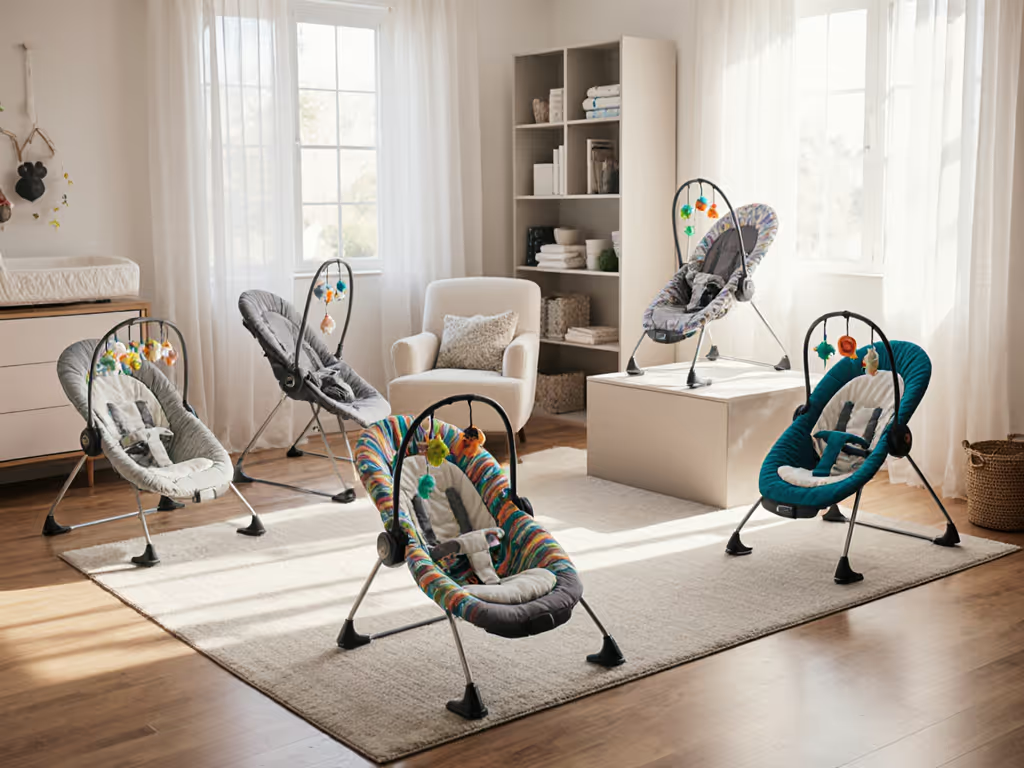
Automatic baby rockers come in several distinct categories, each designed to meet different parental needs and infant comfort requirements. The primary types include portable stroller rockers, standalone electric swings, stationary models, and smart technology-enhanced versions that offer advanced features beyond basic motion.
Here's a comparison of the main types of automatic baby rockers:
| Feature | Portable Stroller Rocker | Standalone Electric Swing | Smart Technology Rocker |
|---|---|---|---|
| Size & Portability | Compact<br>Lightweight | Larger<br>Stationary | Varies<br>Usually larger |
| Power Source | Battery | Plug-in or battery | Battery<br>Plug-in |
| Motion Options | Basic rocking | Multiple directions<br>Speed settings | Programmable patterns |
| Extra Features | Minimal<br>Easy attach | Recline<br>Sound system | Bluetooth<br>App control<br>Sensors |
| Travel Friendly | Yes | No | Sometimes |
| Price Range | $<br>Most affordable | $$<br>Mid-range | $$$<br>Premium |
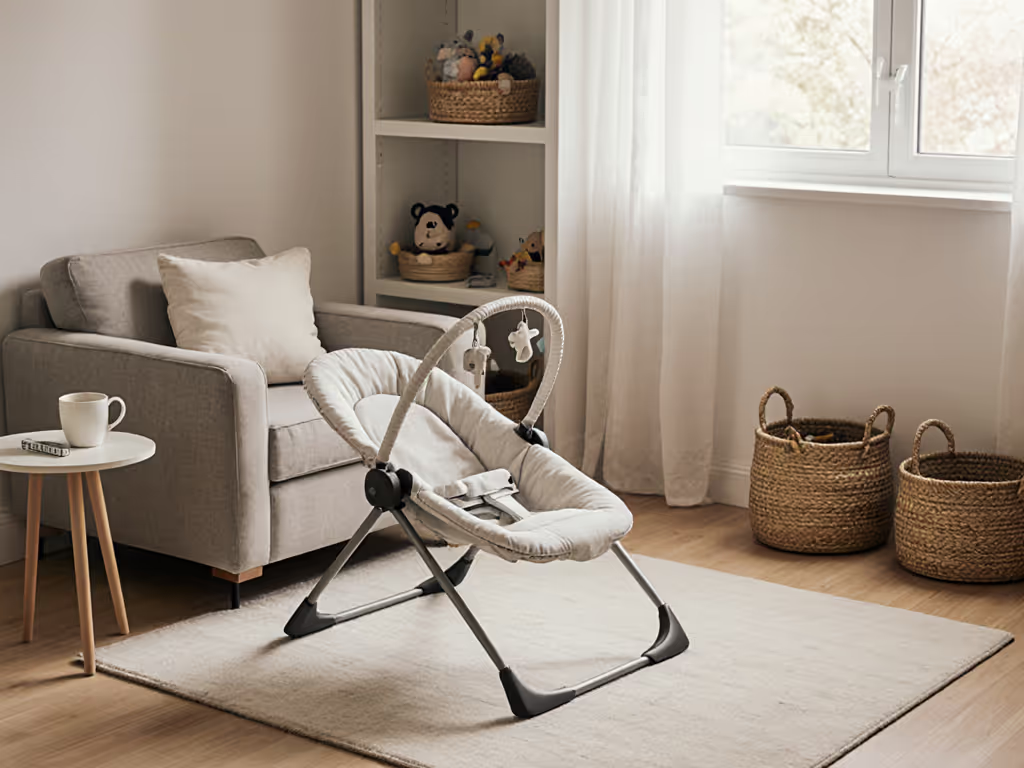
Portable Stroller Rockers represent the most compact and travel-friendly option. These lightweight devices typically attach directly to stroller frames, providing consistent rocking motion without requiring separate equipment. Key characteristics include:
- Lightweight design
- Easy attachment mechanisms
- Battery-powered operation
- Minimal footprint
- Compatible with multiple stroller brands
In contrast, Standalone Electric Swings offer more robust functionality for home environments. These larger units provide multiple speed settings, built-in melodies, and more elaborate motion patterns. They often feature:
- Adjustable recline positions
- Multiple motion directions
- Integrated sound systems
- Higher weight capacity
- More comprehensive infant support structures
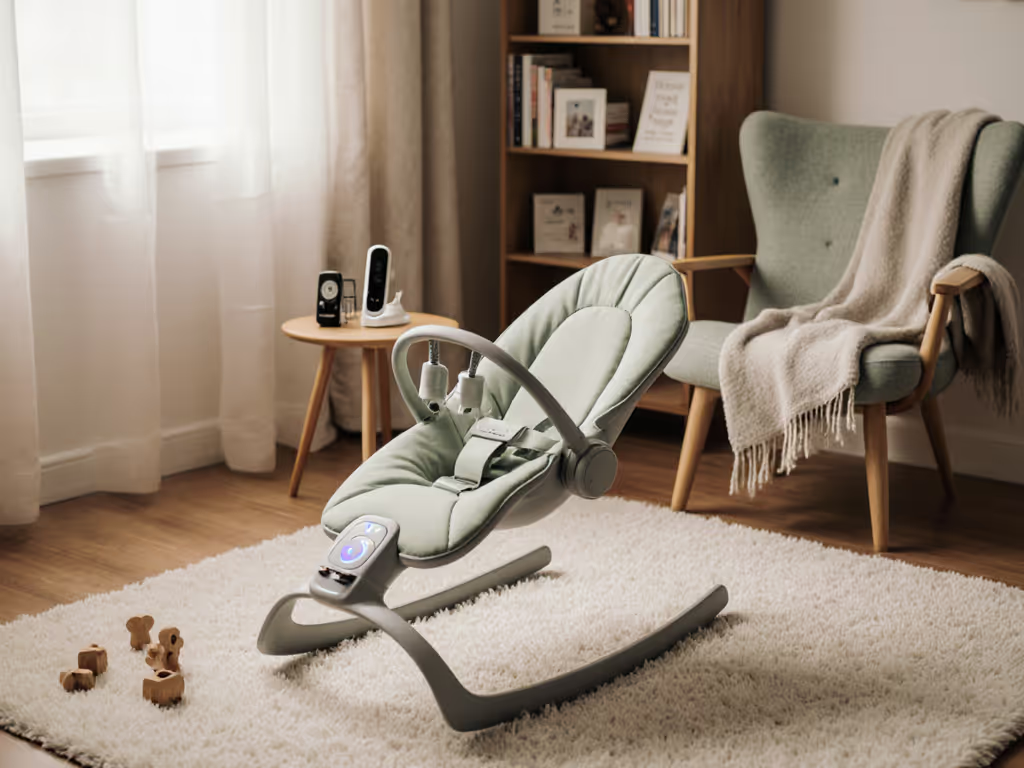
The most advanced category includes Smart Technology Rockers, which integrate digital features like Bluetooth connectivity, smartphone app controls, and programmable motion sequences.
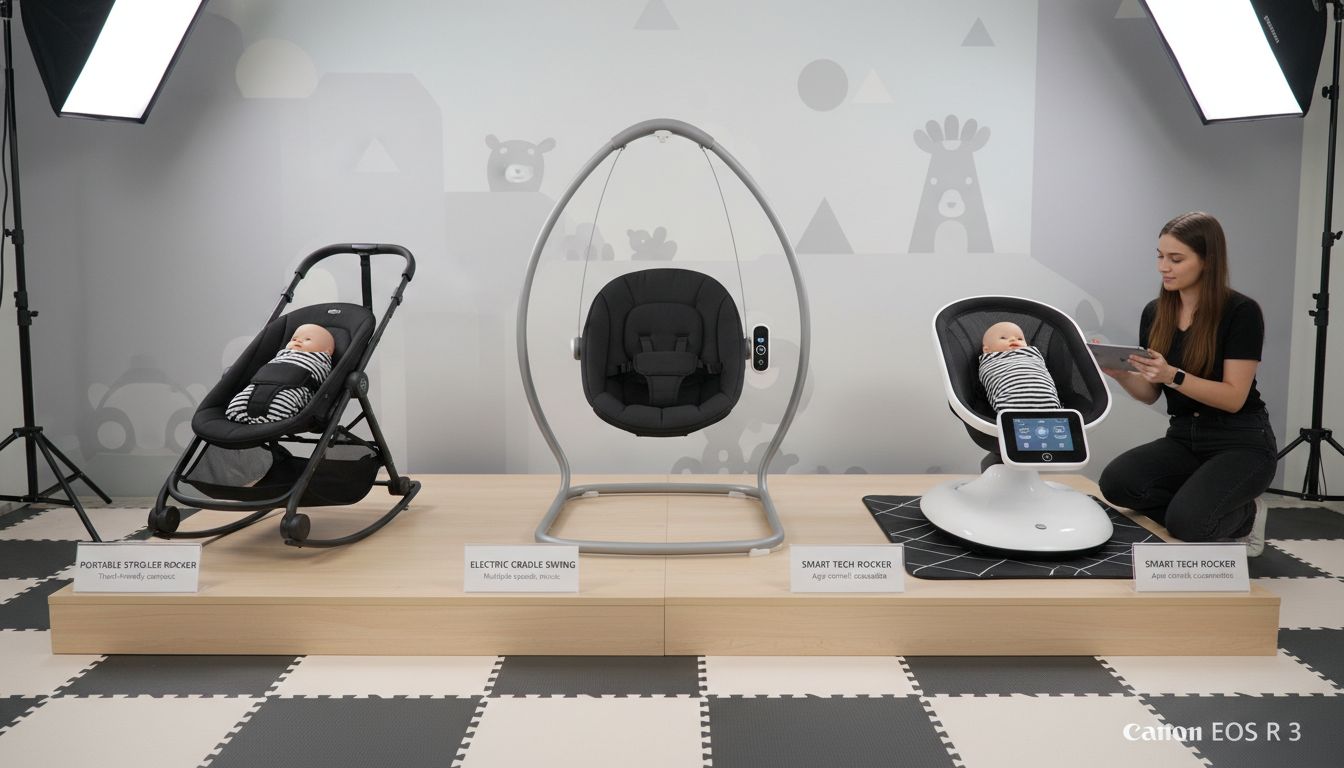 These high-end models represent the cutting edge of infant soothing technology, allowing parents unprecedented control and monitoring capabilities while providing consistent, gentle movement for their little ones.
How Automatic Baby Rockers Operate and Key Features
Automatic baby rockers function through sophisticated electric motor systems that generate precise, consistent rocking motions designed to mimic the natural movement parents use when soothing infants. These ingenious devices typically incorporate small yet powerful motors capable of producing gentle, rhythmic oscillations that help calm and potentially induce sleep in babies.
The core operational mechanism involves several critical components:
- Rechargeable battery systems
- Adjustable speed control mechanisms
- Silent motor technology
- Integrated motion sensors
- Programmable rocking patterns
Most automatic baby rockers offer multiple operational modes that allow parents to customize the rocking experience. These modes range from slow, gentle movements that simulate a calm cradling motion to slightly more energetic rhythms that can help babies transition between wakefulness and sleep. Advanced models even incorporate additional sensory features like:
- Built-in white noise generators
- Soft ambient lighting
- Temperature monitoring
- Bluetooth connectivity for remote control
Safety remains paramount in these devices, with modern automatic rockers implementing multiple failsafe mechanisms. Sophisticated models include automatic shut-off timers, weight-sensitive activation switches, and robust safety harnesses that ensure the infant remains secure throughout the rocking process.
 These design elements transform automatic baby rockers from simple mechanical devices into sophisticated infant care tools that provide both comfort and peace of mind for parents.
Safety Standards and Practical Usage Guidelines
Safety standards for automatic baby rockers are critical to ensuring infant protection and preventing potential accidents. Parents must recognize that while these devices offer convenience, they are not substitutes for direct adult supervision. Every automatic baby rocker comes with specific manufacturer guidelines that must be carefully followed to maintain optimal safety for infants.
Key safety protocols include:
- Always use safety harnesses and restraints
- Place the rocker on flat, stable surfaces
- Never leave the baby unattended
- Regularly inspect the device for wear or damage
- Follow maximum weight and age recommendations
- Keep the rocker away from edges or elevated surfaces
Practical usage requires understanding the device's limitations and proper implementation. Recommended usage guidelines emphasize moderation and attentive monitoring. Most pediatric experts suggest limiting continuous rocking sessions to 30-45 minutes, ensuring the baby is not overstimulated or becoming too dependent on mechanical motion for comfort.
Additional precautions involve monitoring the infant's response to the rocker. Some babies might find certain motion speeds uncomfortable or become overstimulated. Parents should start with the lowest speed setting, observe their baby's reactions, and adjust accordingly. Regular breaks from the rocker are essential for maintaining healthy physical development and ensuring the baby receives diverse sensory experiences throughout the day.
Comparing Automatic Rockers With Other Baby Seats
Automatic baby rockers distinguish themselves from traditional baby seats through innovative motion technology and enhanced convenience features. Unlike stationary seats or manual rockers that require constant physical intervention, these advanced devices provide consistent, programmable soothing movements that can significantly reduce caregiver fatigue and create a more reliable comfort environment for infants.
Key comparative features include:
- Mobility: Automatic rockers offer greater portability
- Convenience: Hands-free operation versus manual rocking
- Technology: Advanced motion controls and sensory features
- Versatility: Multiple speed and motion settings
- Energy Efficiency: Rechargeable battery systems
When contrasted with traditional options, automatic baby rockers provide several substantial advantages. Manual rockers demand continuous physical effort from parents, leading to potential arm and shoulder strain. Stationary seats offer no motion, while automatic rockers can simulate natural movement patterns that more effectively calm and potentially help babies fall asleep. Smart technology integrations in modern automatic rockers—such as remote control capabilities, integrated sound systems, and customizable motion sequences—further distinguish them from conventional seating solutions.
However, parents should recognize that each baby seat type has unique benefits. While automatic rockers excel in providing consistent motion and technological conveniences, traditional seats might offer simpler designs, lower costs, and more straightforward maintenance. The ideal choice depends on individual family needs, budget considerations, and specific infant comfort requirements.
Find the Perfect Automatic Baby Rocker for Your Home and Routine
Caring for a little one while managing a busy schedule and limited space can be overwhelming. The article highlights the key challenges parents face such as needing gentle, consistent soothing motion without constant manual effort, ensuring safety, and choosing a device that fits both lifestyle and living space. If you are looking for an automatic baby rocker that offers adjustable motion, silent technology, and reliable safety features you are addressing exactly the pain points many parents experience every day.
At Bouncer Lab, we understand how important it is to find an infant rocker or bouncer that is not only effective but also space-efficient and easy to maintain. Our detailed reviews and comparison guides help you explore various options including portable rockers and technology-enhanced models. Discover the best solutions for your family by checking out our expert content on infant bouncers that balances comfort, safety, and convenience.
Don't wait to create a calming space for your baby with the right automatic rocker for your needs. Visit Bouncer Lab now and take the next step towards making a confident decision that brings peace to both you and your infant.
Frequently Asked Questions
What is an automatic baby rocker?
An automatic baby rocker is a motorized device designed to provide gentle rocking motion to soothe infants without the need for constant manual intervention from caregivers.
How do automatic baby rockers operate?
Automatic baby rockers use electric motor systems to create consistent, rhythmic movements that mimic the natural rocking motion used by parents. They typically feature adjustable speed controls and may include added sensory features like white noise and ambient lighting.
What are the different types of automatic baby rockers available?
The main types of automatic baby rockers include portable stroller rockers, standalone electric swings, and smart technology-enhanced rockers, each designed to meet different needs regarding portability, functionality, and advanced features.
What safety guidelines should parents follow when using an automatic baby rocker?
Parents should always use harnesses, place the rocker on flat surfaces, never leave the baby unattended, and adhere to the manufacturer's weight and age recommendations, while limiting continuous use to 30-45 minutes to avoid overstimulation.
Related Articles