What Is a Baby Bouncer? Complete Guide for Parents
By Kenji Sato • 5th Nov
Over four million baby bouncers are sold each year in the United States, yet many new parents are unsure how these devices actually support their daily routines. Every caregiver wants a safe, comfortable spot for their infant, especially when juggling household tasks or seeking a few moments of rest. Whether you live in a cozy apartment or a busy home, understanding what a baby bouncer does and how it benefits your family can help you make smart, confident choices for your baby’s early months.
Key Takeaways
| Point | Details |
|---|---|
| Safety is Critical | Always prioritize safety features like a sturdy base and harness system when choosing a bouncer. Supervision and adherence to guidelines are essential during use. |
| Functionality Matters | Select a baby bouncer that offers multiple functionalities, like manual and electronic options, to cater to infant comfort and caregiver convenience. |
| Space Considerations | For smaller living spaces, opt for compact bouncers with folding mechanisms and minimal footprints to maximize utility without sacrificing safety. |
| Developmental Support | Baby bouncers aid in infant development by providing sensory stimulation and creating a secure environment, which can enhance cognitive and motor skills. |
Defining Baby Bouncers and Core Functions
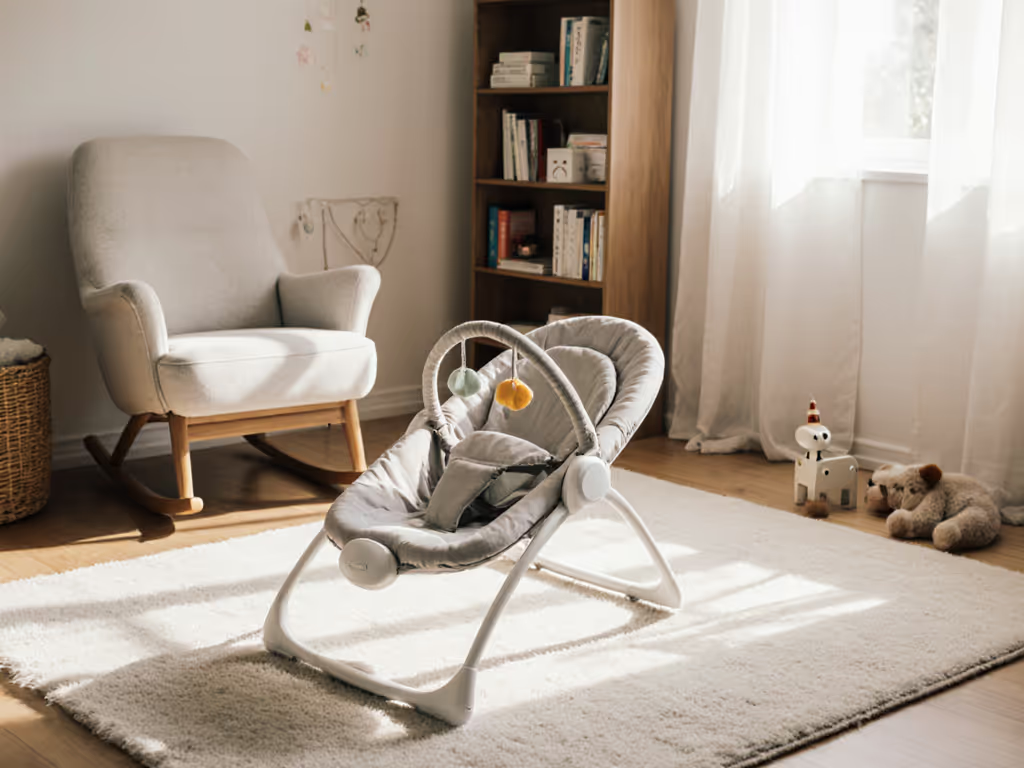
A baby bouncer is a specialized infant seat designed to provide comfort, support, and gentle motion for babies who cannot yet sit independently. According to the U.S. Consumer Product Safety Commission (CPSC), these seats are specifically engineered for infants from birth to approximately six months old, offering a safe and secure resting environment that mimics the soothing movements babies experience in the womb.
The core functions of a baby bouncer extend far beyond simple seating. These ingenious devices are engineered to serve multiple purposes for both infant development and parental convenience. Key functions include:
- Providing a safe resting space for infants who cannot sit up
- Creating gentle bouncing motion that can help calm and soothe babies
- Supporting infant positioning in a reclined, ergonomic manner
- Offering hands-free moments for caregivers during daily tasks
Typically constructed with lightweight, portable frames, baby bouncers allow infants to experience subtle movement through natural bouncing mechanisms. When a parent gently touches the seat or when the baby moves, the seat responds with a gentle up-and-down motion. This rhythmic movement can be incredibly effective at mimicking the comforting sensations babies experienced before birth, helping to reduce fussiness and promote relaxation.
While baby bouncers are incredibly useful, parents should always remember that these are temporary infant support devices. As babies grow and develop motor skills, typically around six months, they will outgrow the bouncer and require different types of seating and play environments. Safety remains paramount - always follow manufacturer guidelines, never place bouncers on elevated surfaces, and always supervise your infant while using any supportive seating device.
Comparing Major Types and Variations
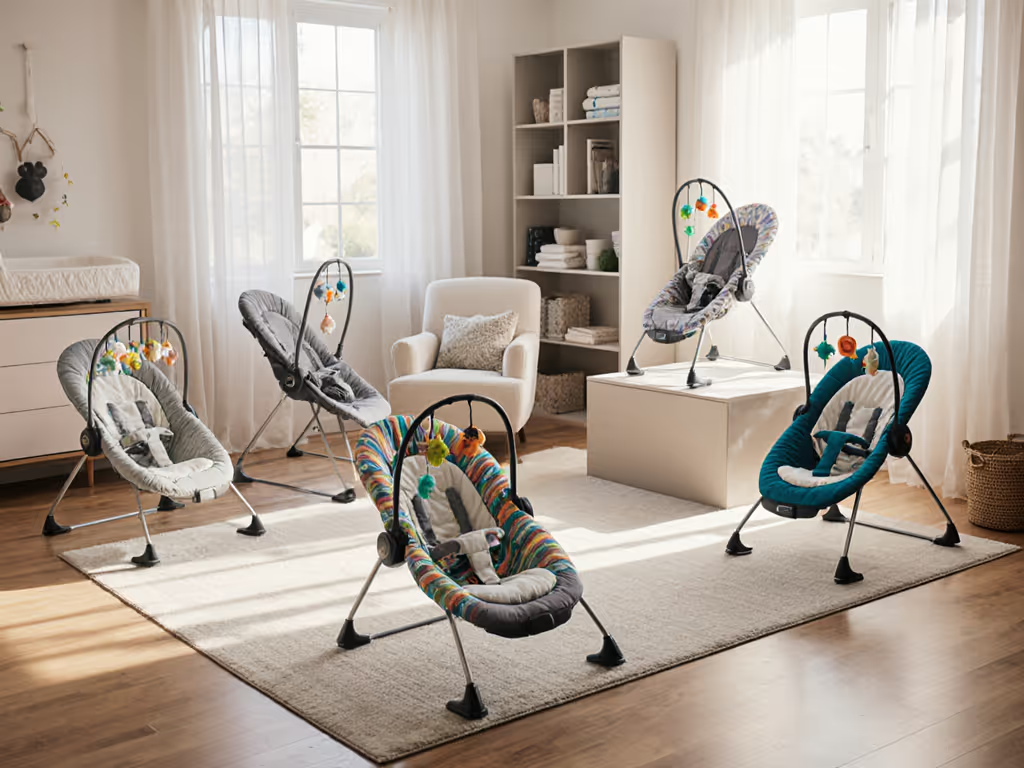
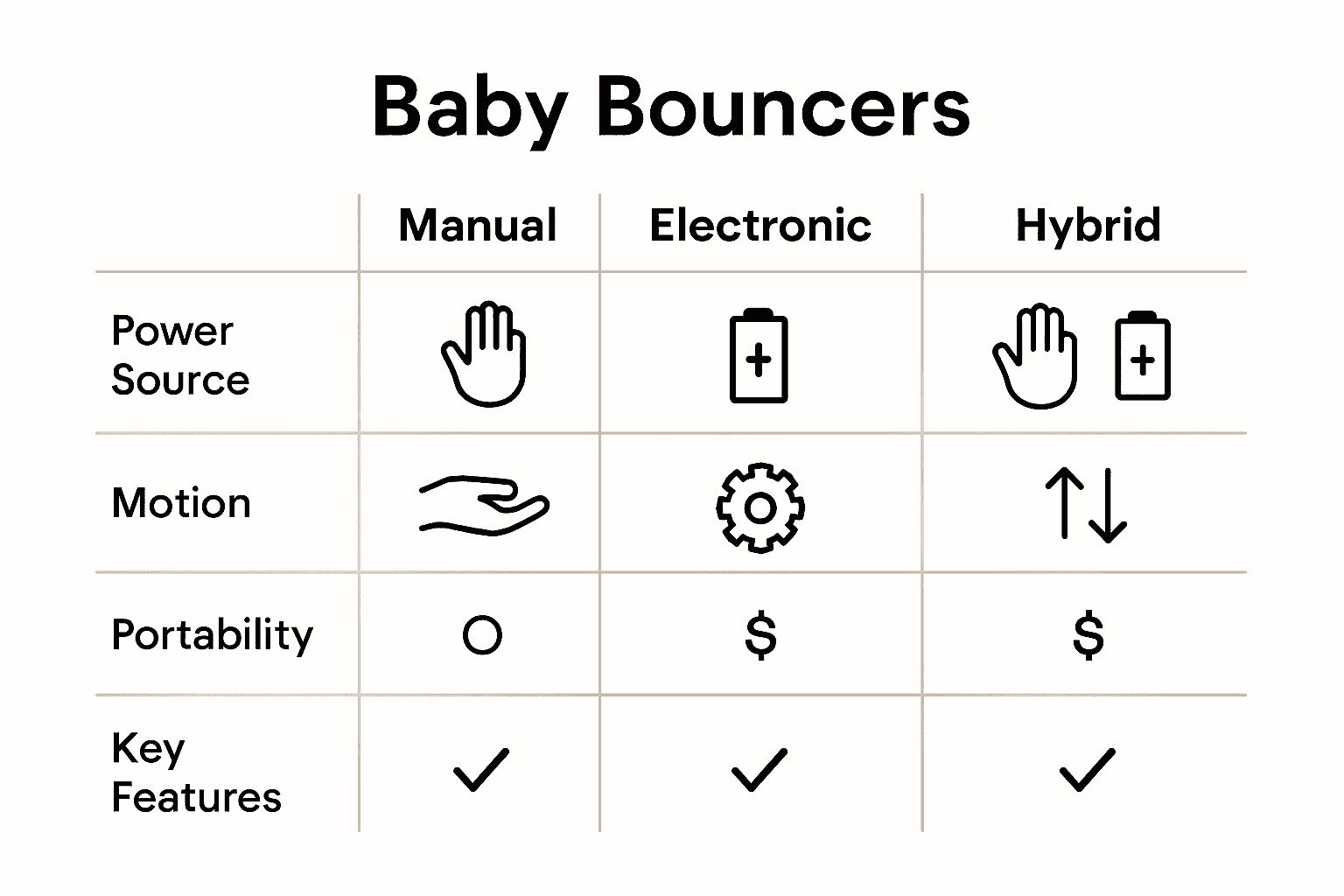
Baby bouncers come in a diverse range of design configurations, each tailored to meet different parental needs and infant comfort requirements. The primary variations include manual bounce bouncers, battery-powered electronic bouncers, and hybrid models that offer multiple motion settings and additional features.
Here's a comparison of the major types of baby bouncers:
| Feature | Manual Bouncer | Electronic Bouncer | Hybrid Bouncer |
|---|---|---|---|
| Power Source | None (Manual) | Battery/Electric | Both Manual & Electronic |
| Motion Type | Natural/Parent-Driven | Automatic (Motorized) | Switchable Manual/Auto |
| Portability | High | Moderate | Moderate |
| Price Range | Usually Lower | Moderate to Higher | Moderate to Higher |
| Extra Features | Minimal | Music<br>Vibration<br>Toys | Manual/Auto modes<br>Added features |
| Parental Effort | Required | Minimal | Optional/Adjustable |
| Typical Weight | Light | Heavier | Medium |
Manual bouncers represent the most traditional type, relying on natural movement and parent interaction. These lightweight seats respond to slight movements, allowing parents or caregivers to create gentle bouncing motions through physical touch. Key characteristics include:
- Lightweight frame design
- Minimal electronic components
- Typically more affordable
- Requires direct human interaction
- Often more compact and portable
Electronic or battery-powered bouncers offer a more consistent and automated bouncing experience. These advanced models feature built-in motors that provide steady, rhythmic movements without constant parental intervention. Advanced electronic bouncers frequently include additional sensory stimulation features such as:
- Integrated music or sound options
- Adjustable vibration intensities
- Multiple motion speed settings
- Built-in timers for automatic shut-off
- Sometimes includes hanging toy attachments for visual stimulation
The hybrid bouncer represents an innovative middle ground, combining manual and electronic functionalities. These versatile models allow parents to switch between manual bouncing and automated motion, providing flexibility based on immediate infant needs and parental preferences. Safety remains the paramount consideration across all bouncer types, with reputable manufacturers prioritizing ergonomic design, secure harness systems, and non-toxic materials to ensure infant comfort and protection.
Key Safety Features and Proper Usage
Safety is paramount when selecting and using a baby bouncer, with multiple critical considerations that parents must understand to protect their infant's well-being. The U.S. Consumer Product Safety Commission (CPSC) has established comprehensive guidelines to ensure these products provide a secure environment for babies during their most vulnerable developmental stages.
Essential safety features to look for in a baby bouncer include:
- Sturdy, wide base to prevent tipping
- Five-point harness system to secure the infant
- Non-slip feet or grips to maintain stability
- Robust frame construction
- Breathable, firm materials
- Certified safety standards compliance
Proper usage requires vigilant parental supervision and adherence to specific guidelines. The American Academy of Pediatrics strongly emphasizes that baby bouncers are not designed for extended sleeping periods. Positioning is crucial - infants should always be placed with their backs flat against the seat, ensuring their airway remains open and unobstructed. Parents should limit continuous bouncer time to no more than 15-20 minutes and never leave an infant unattended.
Additional critical safety protocols include placing the bouncer on a flat, stable surface away from potential hazards like stairs, edges, or areas with foot traffic. Always use the provided safety straps, check for any wear or damage before each use, and discontinue use immediately if the bouncer shows signs of structural compromise.
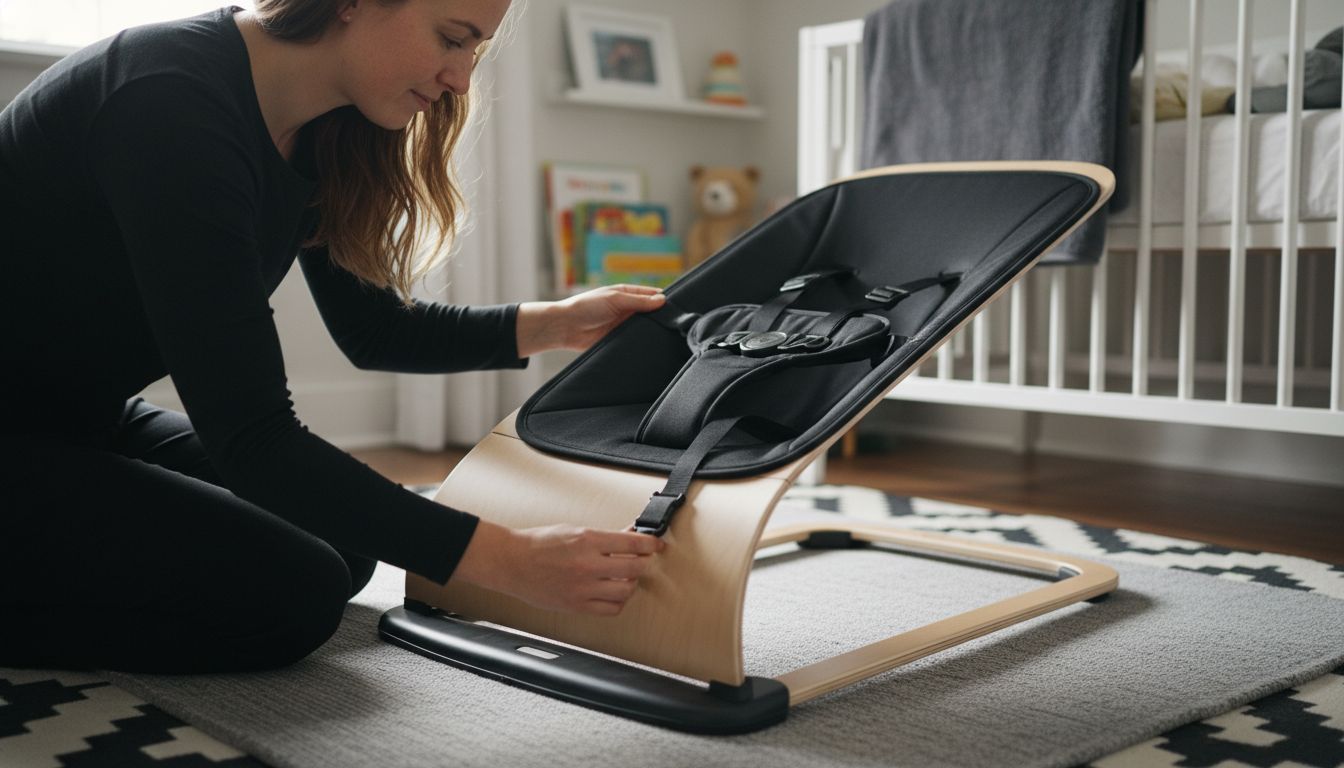 Temperature and environment matter too - keep bouncers away from direct sunlight, heating vents, or areas with extreme temperatures that could cause discomfort or potential risk to the infant.
Benefits of Baby Bouncers for Families
Baby bouncers offer remarkable practical advantages that extend far beyond simple infant seating, providing critical support for both babies and parents during the challenging early months of child-rearing. These ingenious devices create a safe, comfortable environment that simultaneously promotes infant comfort and parental productivity.
For parents, baby bouncers unlock unprecedented moments of hands-free time, allowing caregivers to accomplish essential daily tasks while keeping their infant nearby and secure. Key practical benefits include:
- Increased mobility for parents during household activities
- Reduced physical strain from constantly holding an infant
- Portable infant support that can move between rooms
- Safe containment space for brief periods
- Sensory stimulation for infant development
From an infant development perspective, baby bouncers provide crucial sensory experiences that contribute to early cognitive and motor skill progression. The gentle, rhythmic movements mimic the comforting sensations babies experienced in the womb, helping to regulate their nervous system and potentially reducing stress. These controlled motion experiences can assist in developing vestibular awareness, balance, and spatial understanding.
Emotional benefits are equally significant. Baby bouncers create a sense of security for infants, offering a contained environment where they can observe their surroundings while feeling physically supported. For parents, these devices reduce stress by providing a reliable, safe space for infant rest and play, ultimately contributing to a more balanced and manageable early parenting experience. The psychological relief of having a dependable infant support system cannot be overstated during the often overwhelming first months of parenthood.
Choosing the Right Bouncer for Small Spaces
Navigating the world of baby bouncers in compact living environments requires strategic selection and careful consideration of space-saving design elements. The Center for Environmental Health emphasizes that modern parents need versatile, compact solutions that integrate seamlessly into smaller homes without compromising infant safety or comfort.
When evaluating bouncers for limited spaces, several critical design features become paramount:
- Compact folding mechanisms
- Slim profile design
- Lightweight construction
- Minimal footprint
- Easy storage capabilities
- Neutral color schemes for visual integration
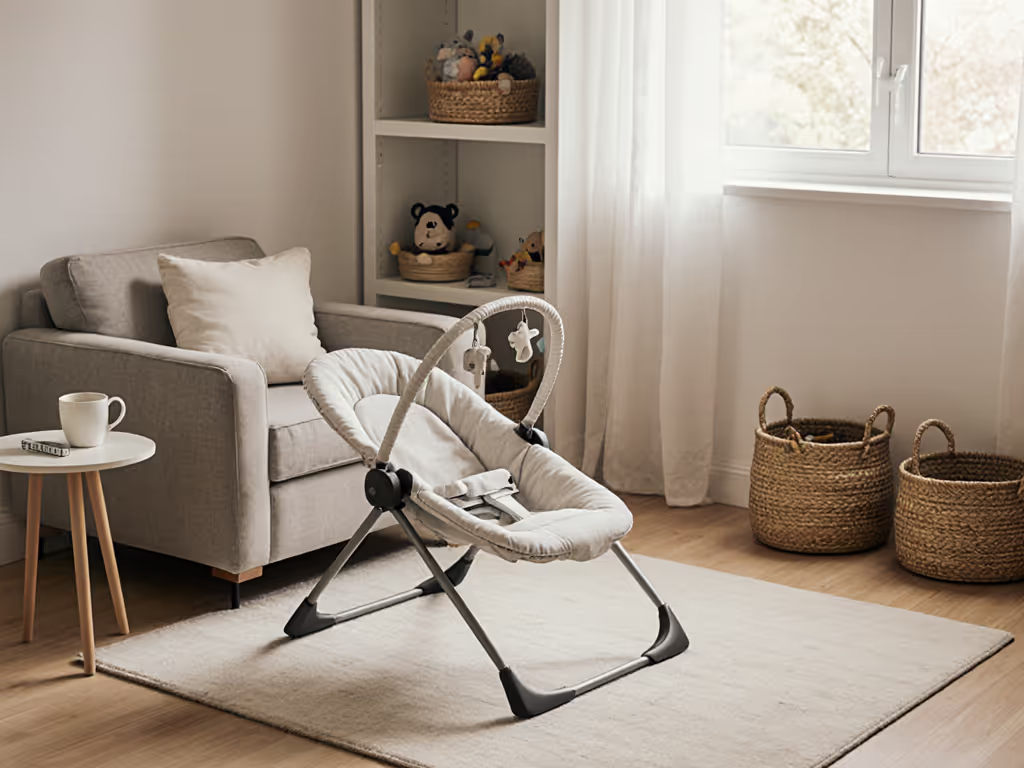
Most space-conscious bouncers offer innovative design solutions that maximize functionality while minimizing physical space requirements. Look for models with vertical storage options, such as those that can be hung on walls or tucked into narrow closet spaces when not in use. Some advanced designs feature collapsible frames that compress to just a few inches thick, making them ideal for apartments, small condos, or homes with limited square footage.
Beyond physical dimensions, consider the bouncer's multifunctionality as a critical factor in space management. The most effective small-space bouncers serve multiple purposes - transitioning from infant support to play area, potentially including detachable toy bars or convertible configurations that grow with your child. Parents should prioritize bouncers that offer maximum utility with minimal spatial intrusion, ensuring that the infant's comfort and developmental needs remain the primary consideration while respecting the constraints of compact living environments.
Find the Perfect Baby Bouncer for Your Family's Needs
Raising a young infant can be both joyful and challenging, especially when space is limited and safety is top priority. This guide highlights common concerns like identifying the best bouncer type, ensuring proper safety features, and choosing a model that fits small living spaces. Parents want a baby bouncer that offers gentle motion, reliable support, and hands-free convenience without overwhelming their home with bulky equipment.
At Bouncer Lab, we understand these needs and have carefully curated expert reviews and practical tips focused on space-efficient designs, ergonomic safety features, and multifunctional models ideal for busy parents and compact homes. Ready to explore options that provide soothing comfort for your baby while freeing your hands for daily tasks Visit our site now to access comprehensive guides on selecting the right infant bouncer that suits your lifestyle. Don't wait to create a safer and more manageable space for your little one with help from Bouncer Lab.
Explore our detailed advice and start making an informed purchase decision today at Bouncer Lab.
Frequently Asked Questions
What is a baby bouncer?
A baby bouncer is a specialized infant seat designed to provide comfort, support, and gentle motion for babies who cannot yet sit independently. They offer a safe resting space that mimics soothing movements, helping calm and soothe infants.
What are the key types of baby bouncers available?
The three primary types of baby bouncers are manual bouncers, electronic bouncers, and hybrid bouncers. Manual bouncers rely on parent interaction for movement, electronic bouncers have built-in motors for automatic bouncing, and hybrid bouncers combine both manual and electronic functionalities.
What safety features should I look for in a baby bouncer?
Key safety features include a sturdy, wide base to prevent tipping, a five-point harness system to secure the infant, non-slip feet for stability, robust frame construction, and compliance with certified safety standards.
How can I safely use a baby bouncer?
Always supervise your infant while using a baby bouncer, limit time to 15-20 minutes, ensure the infant is securely strapped in with their back flat against the seat, and place the bouncer on a flat and stable surface away from hazards.
Related Articles