
How Baby Bouncer Mechanics Work: Complete Guide
By Jonas Lee • 6th Nov
Over 90 percent of new parents consider using a baby bouncer within their child’s first six months. With so many choices on the market, understanding what sets these devices apart can mean the difference between fostering healthy development or facing unnecessary risks. Knowing the core concepts behind baby bouncers helps parents choose products that keep infants comfortable and safe, while supporting natural movement and sensory growth from the very start.
Key Takeaways
| Point | Details |
|---|---|
| Purpose of Baby Bouncers | Designed to support infants' physical and sensory development in a safe and stimulating environment. |
| Types and Features | Bouncers range from traditional mechanical to advanced electronic models, offering various features suitable for different needs. |
| Safety Considerations | Adhering to strict safety standards is crucial, including proper harnessing and supervision to mitigate risks. |
| Usage Recommendations | Limit bouncer time to 15-20 minutes per session, and ensure regular repositioning to promote healthy development. |
Defining Baby Bouncers and Core Concepts
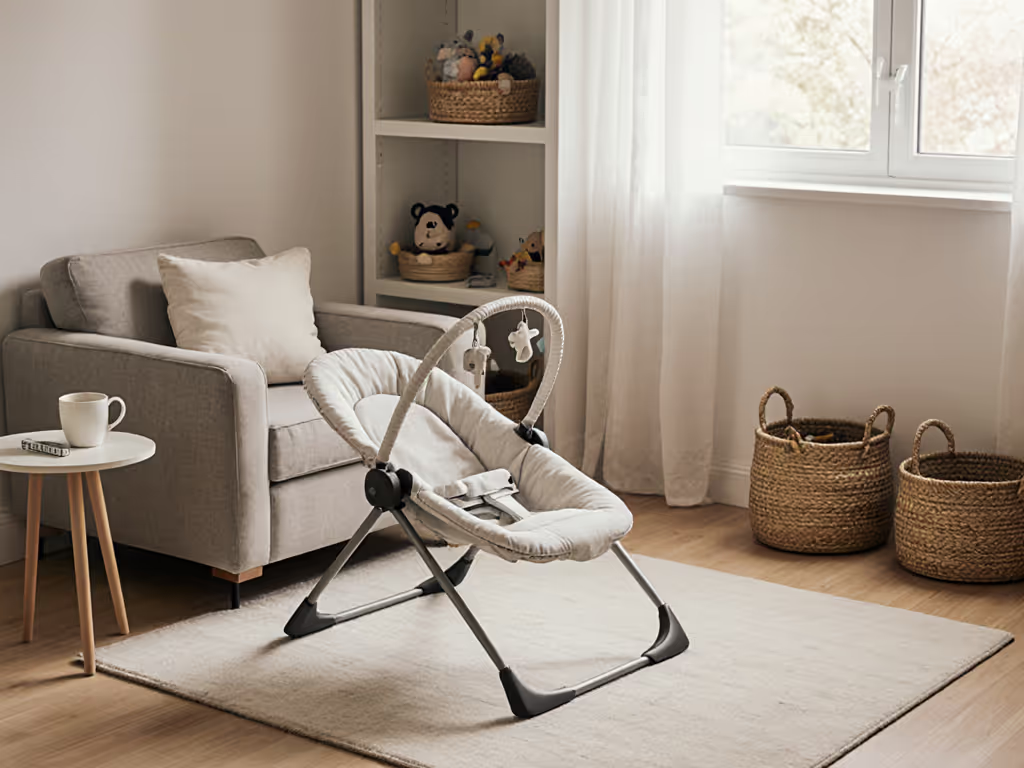
A baby bouncer is an ingenious piece of infant equipment designed to provide a safe, comfortable, and stimulating environment for newborns and infants during their early developmental stages. These lightweight, portable seats feature a flexible frame that gently moves and bounces in response to a baby's natural movements, creating a soothing experience that mimics the rhythmic motions babies experience in the womb.
The primary purpose of a baby bouncer goes beyond simple containment. These carefully engineered devices serve multiple developmental functions. They offer a secure space where infants can rest, play, and explore their surroundings while providing parents and caregivers a convenient solution for keeping their little ones nearby during daily activities. Modern baby bouncers are typically constructed with ergonomic design principles, featuring soft, padded seats that cradle an infant's delicate body and provide proper neck and spine support.
Key features that distinguish baby bouncers from other infant seats include their unique mechanical properties:
- Flexible Frame Mechanics: Most bouncers use a spring-loaded or weight-distributed mechanism that allows gentle bouncing movements
- Ergonomic Seat Design: Contoured surfaces that support natural infant posture and spine alignment
- Safety Harness Systems: Multiple point restraints to secure babies during movement
- Lightweight Portability: Easy to move between rooms and transport during family activities
While baby bouncers might seem like simple infant accessories, they represent a sophisticated intersection of developmental psychology, biomechanical engineering, and child-centered design. By providing a safe, stimulating environment that supports physical and sensory development, these devices offer much more than just a place for babies to sit.
Types of Baby Bouncers and Design Variations
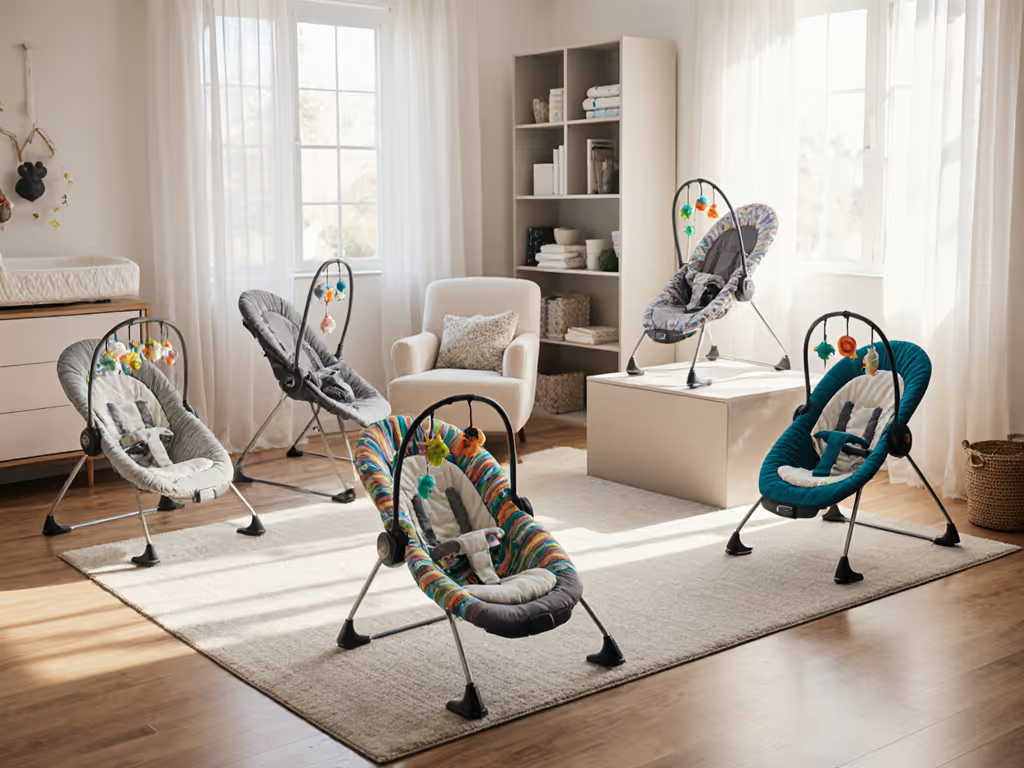
Baby bouncers come in a remarkable array of designs, each tailored to meet different parental needs and infant developmental stages. Traditional mechanical bouncers represent the most fundamental type, utilizing simple spring-loaded or gravity-based mechanisms that respond to a baby's natural movements. These classic models provide basic bouncing functionality through a flexible frame that creates gentle, rhythmic motion when the infant shifts weight or kicks.
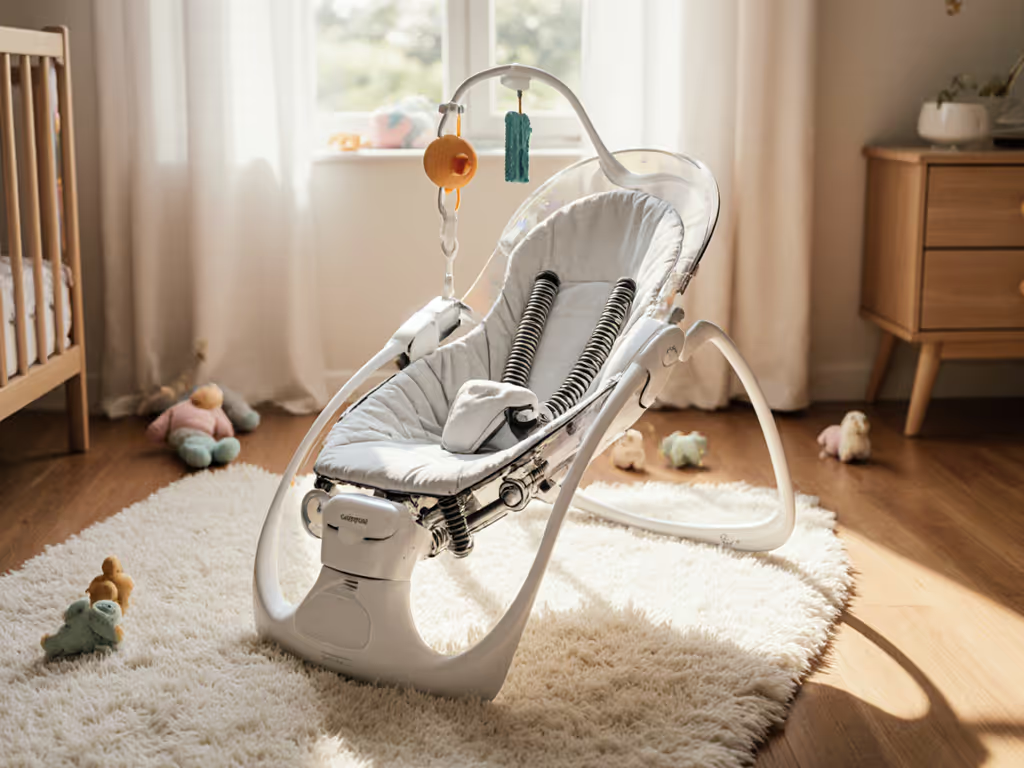
Advanced electronic bouncers have transformed the market by introducing sophisticated features that go beyond basic mechanical movement. These high-tech models incorporate vibration settings, music playback, adjustable speed controls, and even integrated light displays designed to stimulate infant sensory development. Some electronic versions feature smart connectivity options, allowing parents to control settings remotely through smartphone applications, representing a significant technological leap in infant seating design.
The design variations of baby bouncers can be categorized into several distinct types:
Here's a comparison of the main types of baby bouncers and their features:
| Bouncer Type | Motion Capability | Key Features |
|---|---|---|
| Stationary Bouncer | Minimal movement | Stable frame<br>Secure seat |
| Rocker Bouncer | Rocking & bouncing | Back-and-forth rock<br>Soothing rhythm |
| Convertible Bouncer | Multi-mode seating | Transforms to chair or rocker<br>Flexible use |
| Compact Travel Bouncer | Portable bounce | Lightweight<br>Folds for travel |
| Deluxe Bouncer | Advanced motion & extras | Recline options<br>Sound system<br>Premium comfort |
- Stationary Bouncers: Fixed position seats with minimal movement capabilities
- Rocker Bouncers: Seats that can rock back and forth in addition to bouncing
- Convertible Bouncers: Multi-functional designs that can transform into other furniture pieces
- Compact Travel Bouncers: Lightweight, easily foldable models perfect for mobile families
- Deluxe Bouncers: Premium models with advanced features like adjustable recline positions and integrated sound systems
Beyond mechanical differences, modern baby bouncers also vary significantly in materials, aesthetic designs, and additional comfort features. Manufacturers now offer options ranging from minimalist, ergonomic designs to plush, cushioned models that prioritize infant comfort and sensory engagement. The evolution of baby bouncers reflects a complex interplay between engineering innovation, developmental psychology, and parental convenience.
How Mechanical and Motion Systems Operate
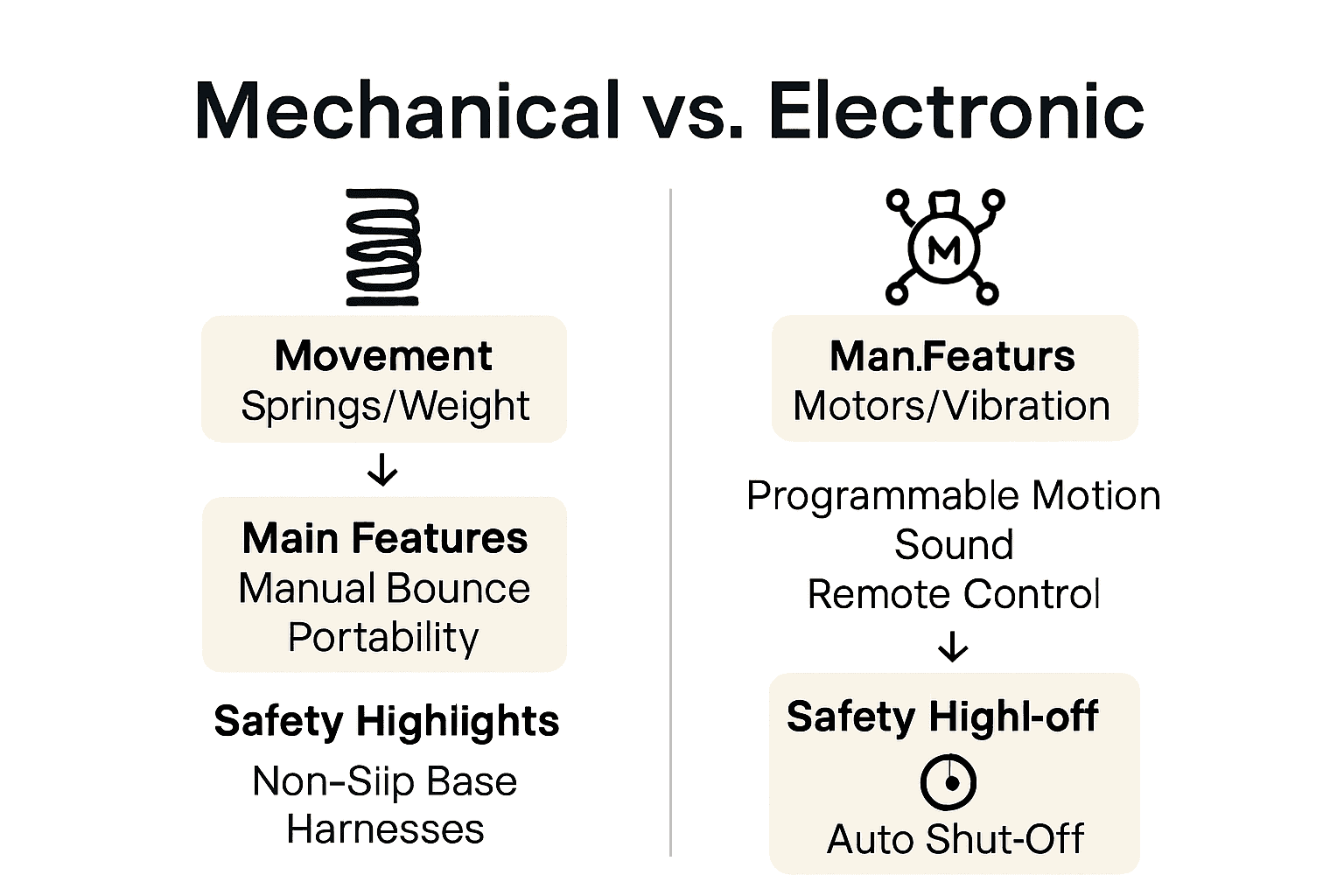
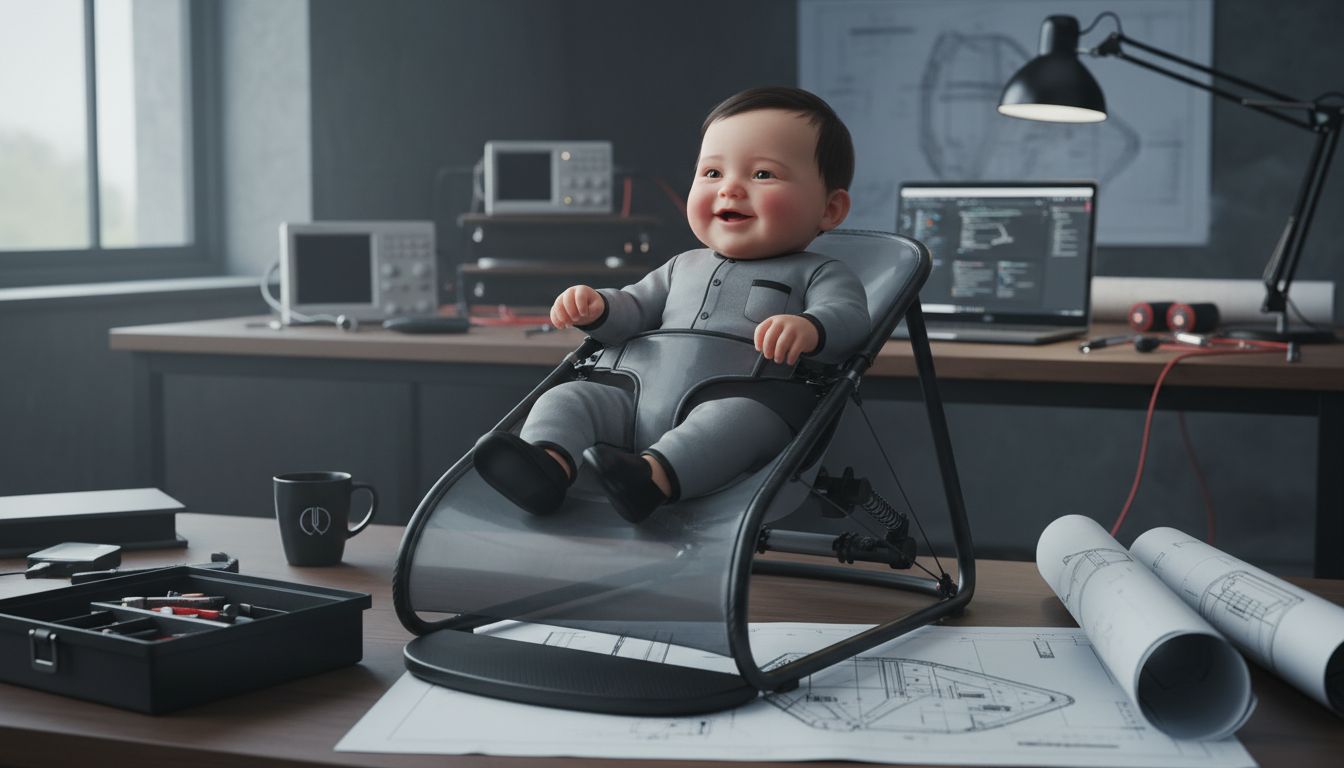
Baby bouncer mechanics are a sophisticated interplay of physical engineering principles designed to create smooth, responsive movement that mimics natural infant motion. At the core of these systems are precision-engineered components that translate an infant's smallest movements into gentle, rhythmic bouncing actions. Spring-loaded mechanisms serve as the primary motion generators, using carefully calibrated tension and resistance to produce controlled, safe oscillations that respond to a baby's weight distribution and movement patterns.
The fundamental operation of baby bouncers relies on three primary mechanical systems. Gravity-based systems use the infant's own body weight to initiate and sustain movement, with strategically placed springs or flexible frames that allow natural rocking motions. Tension-controlled mechanisms incorporate adjustable resistance points that enable parents to customize the bouncer's responsiveness based on their infant's age and weight. Electronic variants introduce more complex motion generation through motorized components that can produce consistent, programmed movement patterns independent of physical interaction.
Key mechanical components that enable bouncer functionality include:
- Suspension Springs: Provide flexible movement and shock absorption
- Frame Articulation Points: Allow controlled motion and stability
- Weight Distribution Platforms: Ensure balanced and safe movement
- Friction Reduction Mechanisms: Enable smooth, low-resistance bouncing
- Damping Systems: Control motion intensity and prevent sudden movements
Research demonstrates that these mechanical systems do more than simply entertain infants. Carefully designed motion patterns can support crucial developmental processes, helping babies develop vestibular awareness, muscle coordination, and sensory integration. The engineering behind baby bouncers represents a nuanced approach to infant care, transforming simple seating into a dynamic developmental tool that responds intuitively to an infant's natural movements and physiological needs.
Safety Features and International Standards
Safety standards for baby bouncers are critically important, representing a complex framework of engineering specifications and regulatory guidelines designed to protect infant well-being. International regulatory bodies have established comprehensive protocols that mandate specific structural requirements, materials testing, and performance benchmarks for these infant devices. These standards address crucial elements like structural integrity, potential entrapment risks, load-bearing capabilities, and the prevention of mechanical failures that could compromise infant safety.
Modern baby bouncers integrate multiple safety mechanism layers to minimize potential risks. These include robust restraint systems with multiple anchor points, typically featuring padded harnesses that secure infants without restricting natural movement. Manufacturers must comply with stringent international regulations that specify precise dimensions, materials strength, edge smoothness, and structural stability. Critical safety features now encompass advanced engineering approaches such as anti-slip base designs, controlled motion ranges, and fail-safe mechanical stops that prevent unexpected movement or collapse.
Key safety considerations in baby bouncer design include:
- Five-Point Harness Systems: Secure infants at multiple body contact points
- Non-Slip Base Mechanisms: Prevent unintended movement during use
- Load-Tested Frame Construction: Ensure structural integrity under varying weights
- Rounded Edge Designs: Minimize potential injury points
- Material Safety Certifications: Confirm non-toxicity and flame-resistance standards
Beyond mechanical specifications, safety standards also address usage guidelines and parental education. Manufacturers and regulatory agencies increasingly emphasize the importance of proper supervision, recommended usage duration, and age-appropriate positioning. The evolution of baby bouncer safety represents a continuous dialogue between engineering innovation, medical research, and child development expertise, ultimately prioritizing infant protection through meticulously designed protective mechanisms.
Common Bouncer Risks and Safe Usage Tips
Baby bouncers, while incredibly useful, present potential risks that parents must carefully understand and mitigate. Medical research indicates that prolonged or improper use can lead to developmental challenges, particularly concerning infant musculoskeletal and neurological development. Positional risks emerge when infants remain in fixed positions for extended periods, which can potentially impact muscle development, spine alignment, and natural movement patterns. Understanding these risks is crucial for responsible and safe bouncer usage.
Physical positioning represents a critical factor in bouncer safety. Developmental experts recommend limiting continuous bouncer time and ensuring babies are not left unattended or placed in inappropriate locations. Potential risks include reduced muscle strength development, delayed motor skill progression, and increased pressure on developing spine and hip structures. Electronic and mechanical bouncers require especially careful monitoring, as their convenient features might inadvertently encourage extended, passive infant containment that could hinder natural developmental processes.
Critical safe usage guidelines include:
- Time Limitation: Maximum 15-20 minutes per session
- Supervision: Always keep infant within direct visual range
- Placement: Use on flat, stable surfaces away from edges
- Harness Usage: Always secure multi-point safety harness
- Age Appropriateness: Follow manufacturer's recommended weight and developmental stage guidelines
- Movement Variation: Regularly change infant's positioning to prevent muscle stiffness
Parents should view baby bouncers as supplementary tools rather than primary infant care solutions. The key is balanced, mindful usage that complements natural developmental processes. By understanding potential risks and implementing careful monitoring, caregivers can transform baby bouncers from potential hazards into safe, supportive infant development accessories that provide momentary relief and gentle sensory stimulation.
Discover the Perfect Baby Bouncer That Matches Your Family's Needs
Understanding how baby bouncer mechanics work is crucial for choosing the right product that supports your infant's development while ensuring safety and convenience. This guide revealed common challenges like finding a bouncer with gentle motion control, ergonomic support, and reliable safety features all tailored for your home's space and your busy routine. If you want to avoid prolonged usage risks and ensure your baby enjoys soothing motion with proper harness systems, you need detailed insights that help you select the best design.
At Bouncer Lab, we specialize in helping parents navigate these exact concerns with in-depth reviews and comparison guides focused on space-efficient, safe, and easy-to-clean baby bouncers. Whether you are looking for mechanical or electronic options, or need advice on choosing models with flexible frame mechanics and secure restraint systems, our resources empower you to make confident decisions. Start your journey by exploring our expert articles for the latest baby bouncer safety tips and design insights so you can provide your baby with both comfort and developmental support today.
Frequently Asked Questions
What is the primary function of a baby bouncer?
A baby bouncer provides a safe and stimulating environment for newborns and infants, allowing them to rest, play, and explore their surroundings while gently bouncing in response to their movements.
How do the mechanics of a baby bouncer work?
Baby bouncers typically use spring-loaded or gravity-based mechanisms that allow gentle, rhythmic bouncing movements in response to a baby's weight and movement. These mechanical systems are designed to mimic the natural motions babies experience in the womb.
What are the different types of baby bouncers available?
Baby bouncers come in various types including stationary bouncers, rocker bouncers, convertible bouncers, compact travel bouncers, and deluxe bouncers. Each type offers unique features like mobility, multiple modes of use, and advanced motion capabilities.
What safety features should I look for in a baby bouncer?
Key safety features include a five-point harness system for secure restraint, a non-slip base to prevent unintended movement, load-tested frame construction for structural integrity, rounded edges to minimize injury risks, and material safety certifications to ensure non-toxicity.
Related Articles